

By Dr Lokman Khan
For Bangladeshis, both at home and abroad, the concept of student politics evokes a complex mix of emotions. Our history is replete with instances where student activism played a pivotal role in shaping the nation’s destiny. From the Bengali Language Movement to the Liberation War, students were at the forefront, their idealism and courage acting as a catalyst for change. However, the landscape of student politics in Bangladesh today presents a starkly different picture.
This blog delves into the duality of student politics in Bangladesh, exploring its glorious past, the descent into violence, the concerning realities of the present, and concludes with a call for much-needed reform.
Table of Contents
- Excerpt
- A Glorious Past: When Student Activism Brought Change
- The Descent into Violence: A Shift in Focus
- The Dark Side of Student Politics Today: A Cause for Concern
- A Call for Reform: Reclaiming the Legacy
A Glorious Past: When Student Activism Brought Change
Bangladesh has a rich tradition of student activism that stretches back to the pre-independence era. In 1952, students played a valiant role in the Bengali Language Movement, demanding the recognition of Bangla as an official language of Pakistan. Their unwavering spirit in the face of brutal suppression ignited a firestorm of national consciousness.
A decade later, students emerged as a formidable force once again during the 1966 Six-Point Movement. Championing greater autonomy for East Pakistan, their protests paved the way for the Bengali nationalist movement that culminated in the Liberation War of 1971. University campuses became breeding grounds for resistance, with student leaders mobilizing the masses and raising global awareness about the atrocities committed by the Pakistani regime.
The legacy of student activism during Bangladesh’s struggle for independence is undeniable. Students were not mere bystanders; they were active participants who dared to challenge the status quo and championed a just cause. Their courage and sacrifice continue to inspire generations.
The Descent into Violence: A Shift in Focus
In the aftermath of independence, the trajectory of student politics in Bangladesh began to shift. Political parties, eager to consolidate their power base, saw student unions as fertile recruiting grounds. This led to the formation of student wings affiliated with major political parties, such as the Bangladesh Chhatra League (BCL), the student wing of Awami League, and the Chhatra Dal, the student wing of Bangladesh Nationalist Party (BNP).
The affiliation with national political parties fundamentally altered the nature of student activism. The focus shifted from advocating for student rights and national development to promoting the agendas of the respective political parties. Campuses became battlegrounds for political supremacy, with student unions resorting to violence and intimidation tactics to silence dissent. Clashes between rival student groups became commonplace, disrupting academic life and creating a climate of fear and uncertainty.
The Dark Side of Student Politics Today: A Cause for Concern
The current state of student politics in Bangladesh is a cause for immense concern. Violence, extortion, and manipulation have become hallmarks of student union activity. The influence of ruling party student wings often extends beyond healthy political discourse. Allegations of controlling dormitory allocation, harassing students with differing political views, and even involvement in criminal activities like extortion and tender manipulation plague the system.
The quality of education suffers immensely due to the politicization of campuses. Strikes called by student unions disrupt academic schedules, leading to a backlog of coursework and overburdened students. Furthermore, a lack of focus on student welfare issues like scholarship opportunities, mental health resources, and career counseling is overshadowed by the constant struggle for political dominance.
The impact of the current state of student politics goes beyond the confines of universities. It breeds a culture of political intolerance and violence that permeates society as a whole. It discourages genuine student participation in political discourse and hinders the development of critical thinking skills.
A Call for Reform: Reclaiming the Legacy
The current state of student politics in Bangladesh is a far cry from its glorious past. A nation that takes pride in its history of student activism now grapples with the negative consequences of a system gone awry.
There is a dire need for reform to ensure that student politics in Bangladesh returns to its roots. This necessitates a multi-pronged approach:
Separation of Student Unions from Political Parties: Severing the direct links between student unions and political parties is crucial. Student unions should be independent bodies that advocate for student rights and promote a culture of healthy political discourse on campuses.
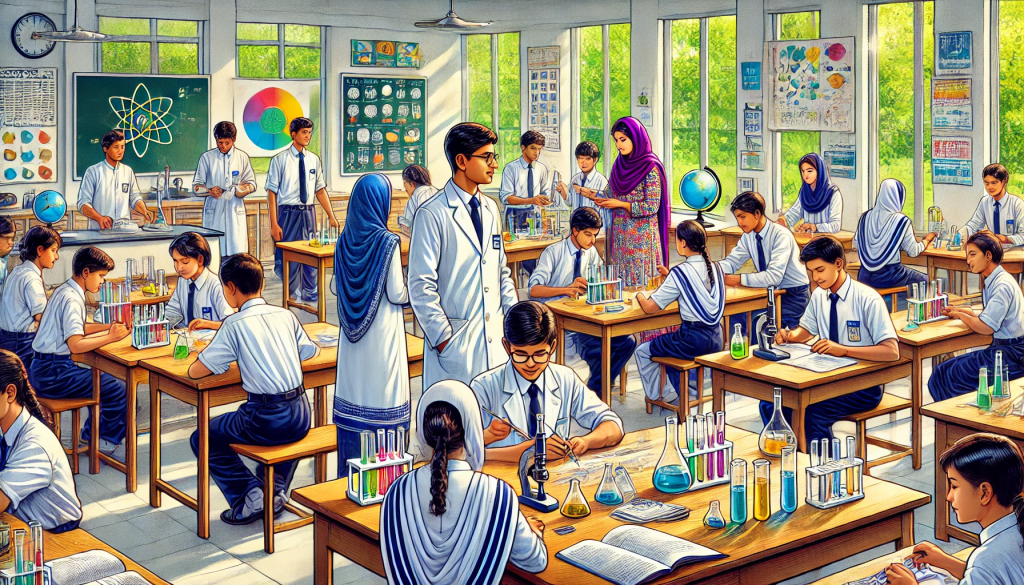
Focus on Student Welfare: The focus of student unions should shift towards addressing student concerns related to academics, scholarships, mental health resources, and career development.
Democratic Elections: Ensuring free and fair elections within student unions is essential. This will allow students to elect genuine representatives who advocate for their best interests.
Role of University Administration: University administrations need to play a more proactive role in curbing violence and ensuring a safe learning environment. Strict disciplinary actions against students involved in violence or disruptive activities are necessary.
Promoting Critical Thinking: Universities must foster a culture of critical thinking and intellectual discourse. This will empower students to engage in meaningful political discussions without resorting to violence.

 LK INNOVATE
Leave a reply to Anonymous Cancel reply