
by Dr Lokman Khan
Consider the frequency with which you exhibit the following behavior.
- Procrastination: Delaying tasks despite knowing it will cause stress or negative consequences later.
- Impulse Buying: Making spontaneous purchases without considering the need or financial impact.
- Overreacting to Minor Issues: Getting excessively upset over small inconveniences or mistakes.
- Emotional Eating: Eating in response to emotions like stress or boredom rather than hunger.
- Ignoring Health Advice: Continuing unhealthy habits despite knowing the risks, such as smoking or not exercising.
- Holding Grudges: Refusing to forgive someone, even when it causes ongoing stress and negativity.
- Fear of Missing Out (FOMO): Attending events or engaging in activities out of fear of being left out, even if not genuinely interested.
- Catastrophizing: Assuming the worst possible outcome in situations without evidence.
- Avoiding Difficult Conversations: Not addressing important issues to avoid discomfort, leading to unresolved problems.
- Overcommitting: Taking on too many responsibilities, leading to burnout and stress.
These behaviors are often driven by the emotional and impulsive part of our brain, which the Chimp Paradox model helps us understand and manage.
Introduction
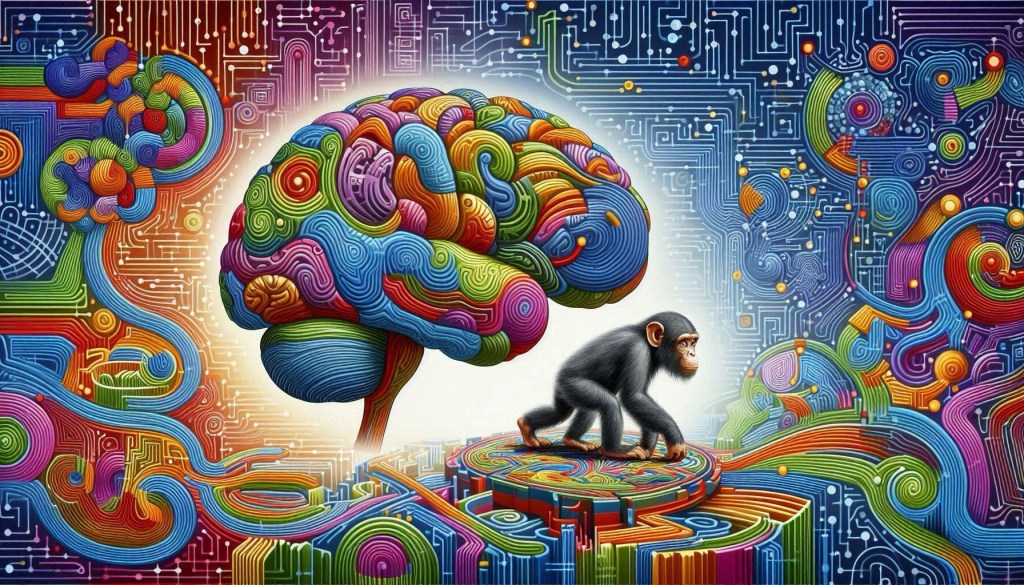
In the fast-paced world we live in, managing our thoughts and emotions can be a daunting task. The Chimp Paradox, a mind management model developed by Professor Steve Peters, offers a unique and practical approach to understanding and controlling our inner workings. This model uses a simple analogy to explain the complex interactions within our brain, helping us make better decisions and lead more fulfilling lives.
What is the Chimp Paradox?
The Chimp Paradox is a mind management model developed by Professor Steve Peters. It provides a framework for understanding the different parts of our brain and how they influence our behavior. The model divides the brain into three distinct parts: the Chimp, the Human, and the Computer. Each part has unique characteristics and functions, playing a crucial role in how we think, feel, and act.
- The Chimp: This part of the brain represents our emotional and impulsive side. It is driven by feelings, instincts, and survival mechanisms. The Chimp is powerful and can often dominate our thoughts and actions if not managed properly. It reacts quickly to perceived threats or rewards, often leading to immediate and sometimes irrational responses. For example, if someone cuts you off in traffic, your Chimp might react with anger and aggression, even though the logical response would be to stay calm and safe.
- The Human: This part of the brain is logical, rational, and analytical. It processes information based on facts and reason, helping us make considered decisions. The Human is responsible for our ability to think critically, solve problems, and plan for the future. When faced with a challenge, the Human assesses the situation, weighs the pros and cons, and makes a decision based on logic rather than emotion. For instance, when deciding whether to take a new job, your Human would consider factors like salary, job satisfaction, and career growth opportunities.
- The Computer: Acting as a storage system, the Computer holds our beliefs, values, and automatic responses. It integrates inputs from both the Chimp and the Human, guiding our behavior based on past experiences and learned patterns. The Computer can be programmed with both positive and negative habits. For example, if you have a habit of exercising regularly, this is stored in your Computer and becomes an automatic response. Conversely, if you have a habit of procrastinating, this too is stored in your Computer and can influence your behavior.
Understanding these three parts of the brain helps us recognize why we sometimes act irrationally or emotionally. By identifying when our Chimp is in control, we can take steps to manage it and allow our Human to make more rational decisions. Additionally, by reprogramming our Computer with positive habits and beliefs, we can improve our overall behavior and mindset.
The Chimp Paradox model emphasizes the importance of balance and self-awareness. It teaches us to acknowledge our emotional responses without letting them dictate our actions, to rely on our rational thinking for decision-making, and to cultivate positive habits that support our goals and values. By mastering this balance, we can lead more fulfilling and successful lives.
The Importance of Managing Your Chimp
Understanding the Chimp Paradox is crucial for effective mind management. By recognizing when your Chimp is in control, you can learn to manage it and allow your Human to take charge. This balance is essential for making rational decisions and maintaining emotional stability.
Practical Applications of the Chimp Paradox
- Stress Management: The Chimp Paradox can help you identify the sources of stress and manage your emotional responses. By calming your Chimp, you can approach stressful situations with a clear and rational mind. Example: Imagine you’re preparing for a big presentation at work. Your Chimp might start to panic, causing you to feel anxious and overwhelmed. By recognizing this reaction, you can take steps to calm your Chimp, such as practicing deep breathing or visualizing a successful presentation. This allows your Human to take control, enabling you to focus on delivering your presentation confidently and effectively.
- Improving Relationships: Understanding the dynamics between the Chimp and the Human can enhance your interpersonal relationships. By managing your Chimp, you can communicate more effectively and avoid unnecessary conflicts. Example: During a heated argument with a friend or partner, your Chimp might react defensively, leading to hurtful comments or escalating the conflict. By recognizing this, you can pause and take a moment to let your Human step in. This helps you respond more calmly and rationally, facilitating a constructive conversation and resolving the issue amicably.
- Enhancing Performance: Whether in sports, work, or personal goals, the Chimp Paradox can improve your performance by helping you stay focused and motivated. By keeping your Chimp in check, you can maintain a positive mindset and achieve your objectives. Example: If you’re an athlete facing a crucial match, your Chimp might cause you to feel nervous and doubt your abilities. By managing your Chimp, you can focus on your training and preparation, allowing your Human to maintain a positive and determined mindset. This can lead to improved performance and better results in your sport.
Steps to Manage Your Chimp
- Recognize Your Chimp: The first step is to acknowledge the presence of your Chimp. Pay attention to your emotional reactions and identify when your Chimp is taking over. Example: Imagine you’re stuck in traffic and start feeling frustrated and angry. Recognizing that these emotions are your Chimp reacting can help you take a step back. Instead of letting the frustration escalate, you can acknowledge your Chimp’s presence and choose to listen to calming music or a podcast to distract and soothe yourself.
- Understand Your Triggers: Identify the situations or thoughts that trigger your Chimp. Understanding these triggers can help you anticipate and manage your emotional responses. Example: If you notice that you often get anxious before meetings with your boss, this is a trigger for your Chimp. By understanding this, you can prepare yourself mentally before the meeting. Practice deep breathing or positive visualization to calm your nerves and approach the meeting with a clear mind.
- Develop Coping Strategies: Create strategies to calm your Chimp. This could include deep breathing exercises, mindfulness practices, or positive self-talk. Example: During a stressful day at work, your Chimp might start to feel overwhelmed. Having a coping strategy like taking a short walk outside, practicing mindfulness for a few minutes, or repeating a positive affirmation can help calm your Chimp and bring your Human back in control.
- Strengthen Your Human: Focus on developing your rational thinking skills. Engage in activities that challenge your mind and encourage critical thinking. Example: To strengthen your Human, you might take up activities like puzzles, reading challenging books, or learning a new skill. For instance, if you enjoy reading, choose books that require deep thinking and analysis. This helps train your brain to think more logically and critically, making it easier to manage your Chimp in emotional situations.
- Reprogram Your Computer: Update your beliefs and values to align with your goals. Replace negative automatic responses with positive ones through consistent practice and reinforcement. Example: If you have a habit of thinking negatively about your abilities, start reprogramming your Computer by practicing positive self-talk. Each time you catch yourself thinking, “I can’t do this,” replace it with, “I am capable and prepared.” Over time, this positive reinforcement will become an automatic response, helping you build confidence and resilience.
Conclusion
The Chimp Paradox offers a powerful framework for understanding and managing our minds. By recognizing the roles of the Chimp, the Human, and the Computer, we can take control of our thoughts and emotions, leading to better decision-making and a more balanced life. Embrace the Chimp Paradox and unlock the potential of your mind for a happier, more fulfilling future.






Leave a Reply