

Discover the history and enduring impact of Bangladesh’s Intellectual Martyrs’ Day—December 14, 1971—on its national identity and future.
I. Introduction
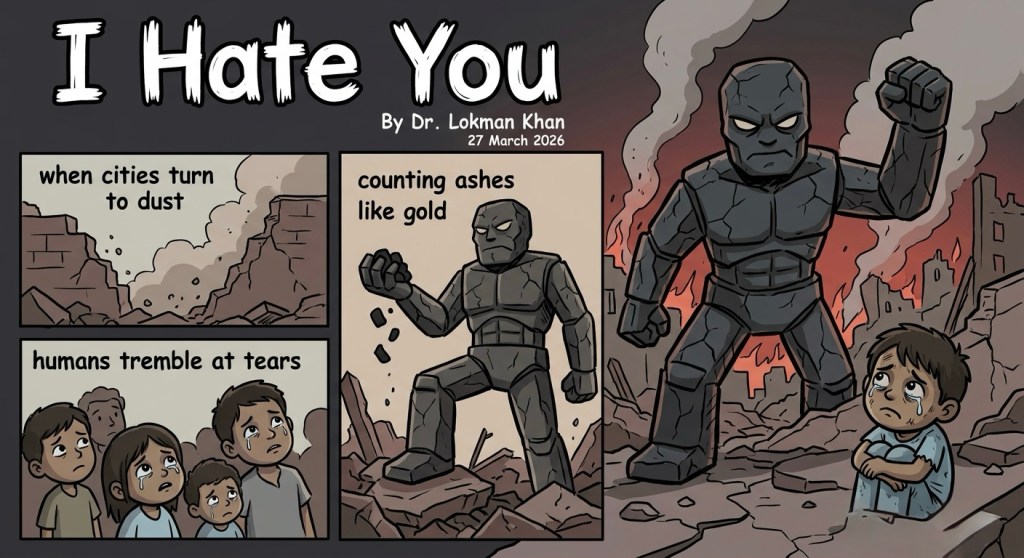
As you read this piece, I invite you to consider the weight of history and the deep scars it leaves on a nation’s soul. December 14, 1971, stands as a solemn date in the history of Bangladesh. It was on the eve of the country’s independence—won after a brutal war against Pakistan—that a calculated and horrific act took place. A group of highly trained local collaborators, guided by the Pakistani military, set out to eliminate many of Bangladesh’s finest minds: university professors, writers, scientists, doctors, journalists, and other influential voices. This event is widely recognized as the systematic killing of the intellectual community, and it is commemorated as Intellectual Martyrs’ Day.
Historians and researchers who have studied these events, including testimonies collected by the Liberation War Museum and other independent scholarly bodies, have confirmed that the targeting of intellectuals in the final days of the war was no coincidence. It was a deliberate attempt to cripple the new nation’s capacity to think, innovate, and grow intellectually. By removing key thought leaders, the architects of these atrocities hoped to deny Bangladesh a strong intellectual foundation—a tactic proven in other conflicts to weaken a society over the long term.
In this op-ed, I will help you understand the historical context of that tragic day, the profound impact it had on Bangladesh’s society and state, and its ongoing relevance today. My purpose is simple: to provide you with a clear, well-researched perspective so that you can appreciate not only the importance of remembering this event, but also why it remains crucial for Bangladesh’s present and future. By the end, I hope you will feel more connected to the past, better informed about the struggles that forged today’s Bangladesh, and inspired to honor and protect the freedom of thought in our world.
II. Historical Context and Background
1. Origins of the Liberation Struggle
To understand why the intellectuals were targeted, it is essential to look back to the roots of the Bangladeshi struggle for independence. After the partition of British India in 1947, the region now known as Bangladesh was called East Pakistan. Despite forming the majority population in Pakistan, the people of East Pakistan experienced economic neglect, political underrepresentation, and cultural suppression. One of the earliest signs of this tension emerged in the 1950s with the Language Movement, as the people of East Pakistan fought for Bengali to be recognized as an official state language. This movement sowed the seeds of cultural pride and laid a foundation for a broader nationalist sentiment.
By the 1960s, dissatisfaction had grown. Many Bengalis felt that they were treated as second-class citizens by West Pakistan’s leaders. Scientific surveys and economic data show significant underinvestment in East Pakistan’s economy compared to the western wing. This imbalance further fueled the desire for self-determination and, ultimately, independence.
2. The Targeting of Intellectuals
As the Liberation War reached its final stages in December 1971, the Pakistani military recognized that defeat was imminent. To ensure the newly independent Bangladesh would struggle to find its footing, they aimed to silence those who could rebuild and guide the nation. Studies of war strategies in similar conflicts show that eliminating intellectual leaders often hampers post-war recovery. In this case, professors, journalists, artists, and other knowledge-bearers were abducted from their homes, blindfolded, taken to unknown locations, and killed.
Research conducted by both local and international scholars has confirmed that hundreds of intellectuals were murdered in a matter of days. While exact figures vary—some estimates suggest well over 200 were killed on December 14 alone—the consensus is clear: this was a targeted and brutal strategy intended to rob a new nation of its guiding lights.
3. Immediate Aftermath of the Tragedy
When Bangladesh finally gained independence on December 16, 1971, it was not just a triumph of arms, but also a victory clouded by shock and grief. The sudden loss of so many respected thinkers left the nation in mourning. Academic institutions, which form the intellectual backbone of any society, struggled to fill the void. Cultural organizations, newspapers, and research centers grappled with the absence of leaders who had once provided direction and creative energy.
The emotional trauma of this event cannot be overstated. Survivors and witnesses have recounted the immediate fear and uncertainty that followed. Data from psychological studies on communities recovering from war-related violence show that such targeted attacks on intellectuals can create long-lasting mistrust and caution in academic and public life.
III. Impact on Past Bangladeshi Society and State
1. Cultural and Educational Vacuums
Imagine a university without its most experienced professors or a newspaper without its senior editors. This was the reality in early independent Bangladesh. The loss of established educators meant that entire academic departments had to be rebuilt from scratch. Historical records and educational surveys from the 1970s indicate that universities took years, sometimes decades, to recover a fraction of the teaching and research capacity they had lost overnight.
Culturally, the absence of writers, poets, and artists who were expected to define the character of the new nation left a gap. These voices would have guided the development of a national literature and arts scene, provided critical commentary, and offered visionary solutions to societal issues. Instead, Bangladesh faced the challenge of nurturing a new generation of cultural leaders to take their place.
2. Political Consequences
On a political level, the absence of seasoned intellectuals meant fewer informed voices shaping policies. Intellectuals often play the role of watchdogs, policy advisors, and opinion-makers. Without them, the early government of Bangladesh grappled with forming policies on language, economy, education, and health without the full spectrum of expert input. Scientific research on nation-building shows that a reduced pool of critical thinkers can slow progress and risk a more limited range of ideas in policy debates.
3. Social Memory and National Identity Formation
Over time, the collective memory of this tragedy became a cornerstone of Bangladeshi national identity. Surveys conducted by sociologists show that commemorating December 14 has helped Bengalis develop a shared narrative—one that honors sacrifice and resilience. Remembering these intellectual martyrs is not just about looking back; it is also about recognizing the values they represented: freedom of thought, honesty, critical inquiry, and cultural pride. This memory forms a vital part of the nation’s identity, reminding citizens that the road to freedom was paved not only by soldiers and activists but also by the thinkers who dared to envision a better future.
IV. Present-Day Significance and Ongoing Relevance
1. Preserving Historical Accuracy
Today, as time passes and eyewitnesses grow fewer, it is more important than ever to protect the truth of what happened on December 14, 1971. Historians, archivists, and educators work tirelessly to gather, verify, and preserve evidence. You can find data and documents in the Liberation War Museum, in university libraries, and in online archives. By maintaining a solid base of factual information, Bangladesh can resist efforts to distort or politicize its history. Studies in historical preservation show that when societies accurately record and present their past, they stand stronger against the lure of misinformation.
2. National Commemoration and Education
Every year, on December 14, Bangladesh pauses to remember the intellectual martyrs. The day is marked by visits to memorial sites, cultural programs, and educational events. These activities are not empty rituals. They serve a crucial purpose: ensuring that new generations understand the sacrifices made to ensure intellectual freedom. School curricula have increasingly included lessons about the war and its aftermath, giving students a fact-based grounding in their history. Recent surveys suggest that such education encourages young people to appreciate critical thinking and to value intellectual contributions to society.
3. Inspiration for Intellectual Freedom and Democracy
The lesson that stands out most from December 14, 1971, is the importance of protecting intellectual freedom. Research on democratic societies shows that a well-informed population, guided by free thinkers and experts, is more likely to uphold human rights and resist oppression. By examining the sacrifices of the past, you can see why free expression, academic independence, and the open exchange of ideas are essential pillars of any democracy.
For young people growing up in a fast-changing world, understanding this tragedy can serve as a potent reminder. It encourages them to value critical thinking, engage in informed debate, and hold their leaders accountable. In other words, the memory of these intellectual martyrs is not a relic—it is an active force, inspiring each new generation to cultivate the very qualities that these victims represented.
V. Conclusion
As you reflect on the significance of December 14, 1971, consider what it means for a nation to lose its brightest minds at the dawn of its freedom. The legacy of the intellectual martyrs is woven into the fabric of Bangladesh’s identity. Their absence left educational and cultural landscapes forever changed, but their memory also strengthened national resolve, inspiring policies and educational reforms aimed at rebuilding what was lost.
For you, the reader, there is a lesson to take away: preserving truth and nurturing intellectual freedom are not just matters of historical interest; they have real consequences for the health, progress, and moral compass of a society. As global citizens, we must remain vigilant against any form of oppression that seeks to silence ideas. We must support thorough research, honest journalism, and fair education. By doing so, we honor those who died for the promise of intellectual liberty in Bangladesh and ensure that their legacy continues to guide and enrich our collective future.
In looking forward, Bangladesh stands as a testament to resilience. Its scholars, artists, and professionals continue to make meaningful contributions to the country and the world. By remembering the dark day when intellectuals were taken away, we uphold the principle that no nation can thrive without free minds, open discourse, and the courage to think differently. Today, Bangladesh moves confidently into the future—stronger because it acknowledges its past, wiser because it remembers, and more united because it honors those who dared to dream and speak freely.
14 December 2024

 LK INNOVATE
Leave a comment