

by Dr Lokman Khan
Stereotypes are oversimplified and fixed ideas about a particular group of people. These generalized beliefs often ignore individual differences and can lead to unfair assumptions and discrimination. Stereotypes can be based on various factors, including race, gender, age, religion, and nationality. They are pervasive and can be found in every corner of the world, affecting how people perceive and interact with each other.
The Global Impact of Stereotypes
Globally, stereotypes have profound implications. They can influence social dynamics, perpetuate discrimination, and contribute to systemic inequalities. For instance, racial stereotypes can lead to racial profiling and unjust treatment by law enforcement. Gender stereotypes can limit opportunities for women and reinforce harmful norms about masculinity and femininity. Age-related stereotypes can marginalize the elderly and undermine their contributions to society.
Stereotypes are not just harmful on an individual level; they can also affect entire communities and nations. They can shape public policies, educational systems, and workplace environments, often to the detriment of marginalized groups. Despite efforts to combat stereotypes through education and awareness, they remain deeply ingrained in many societies.
Stereotypes in the Context of Bangladesh
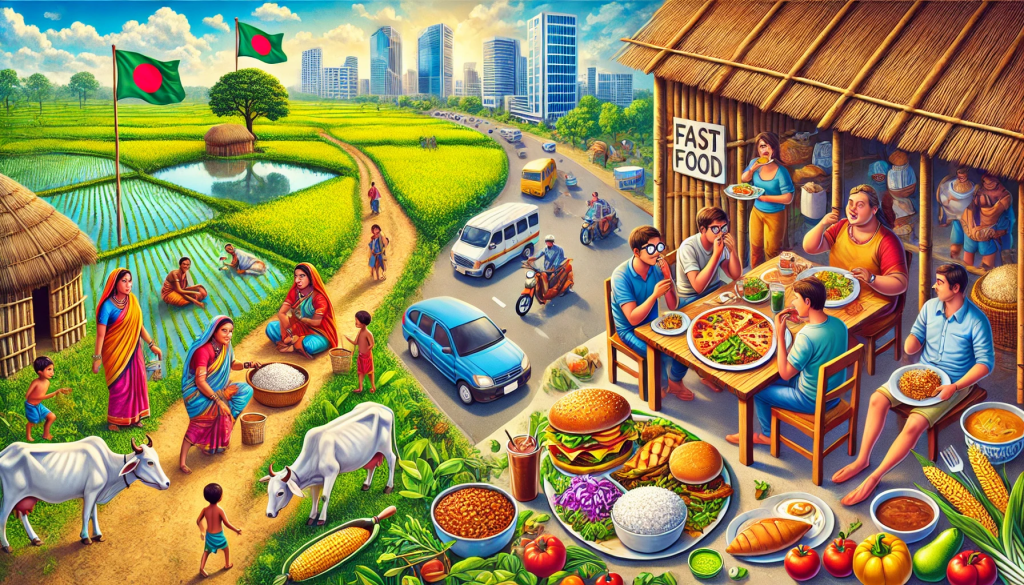
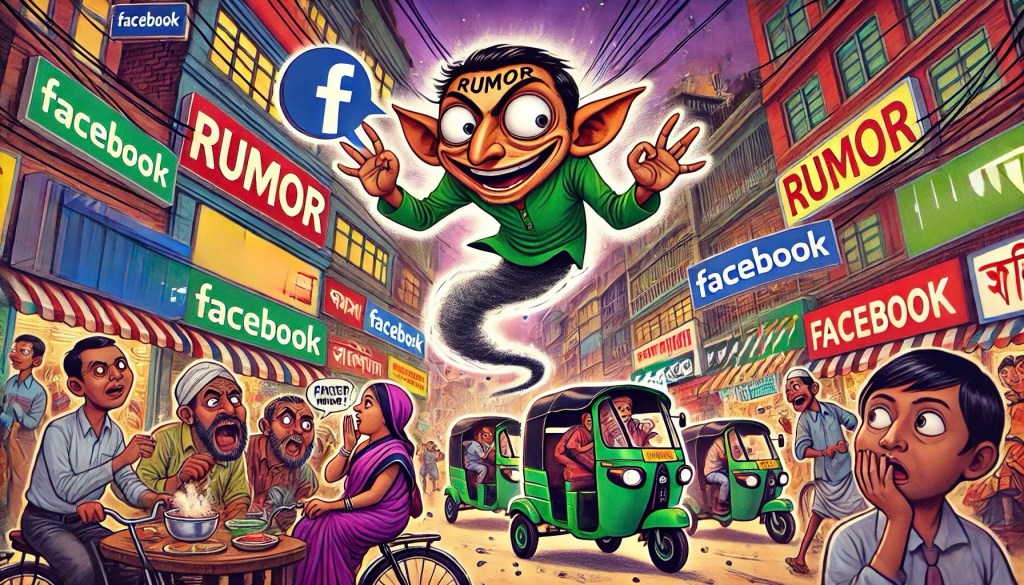
In Bangladesh, stereotypes are particularly pervasive and can be seen in various aspects of society, including religion and politics. It is common to attribute the actions of a few individuals to an entire community, leading to widespread misconceptions and biases.
Religious Stereotypes: Bangladesh, being a predominantly Muslim country, often faces stereotypes related to Islam. These stereotypes can lead to misunderstandings and tensions between different religious communities. For example, the actions of a few extremists can unfairly tarnish the image of the entire Muslim population, fostering Islamophobia and social division.
Political Stereotypes: Political affiliations in Bangladesh are also subject to stereotyping. Supporters of different political parties are often labeled in ways that oversimplify their beliefs and motivations. This can lead to polarization and hinder constructive political discourse. For instance, supporters of one party might be stereotyped as uneducated or blindly loyal, while those of another might be seen as elitist or out of touch with the common people.
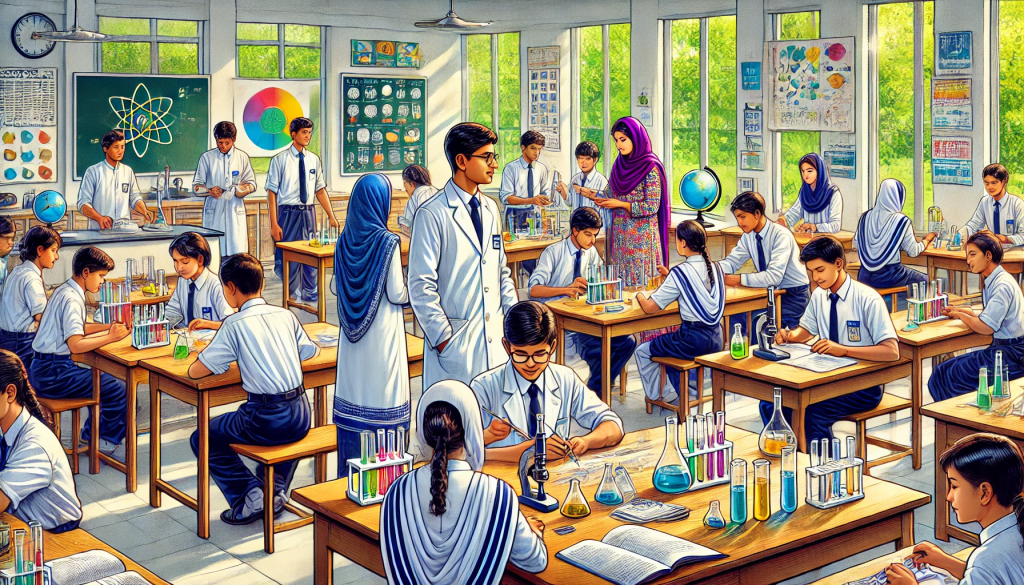
Gender Stereotypes: Gender biases are another significant issue in Bangladesh. Despite progress in gender equality, many women still face stereotypes that limit their opportunities. According to a report, over 99% of Bangladeshis hold at least one bias against women⁸. These biases manifest in various ways, from unequal access to education and employment to societal expectations about women’s roles in the family and community.
Challenging Stereotypes
Addressing stereotypes requires a multifaceted approach. Education and awareness are crucial in challenging and changing these deep-seated beliefs. Promoting intercultural dialogue and understanding can help break down the barriers created by stereotypes. Additionally, policies that promote equality and inclusivity can create environments where individuals are judged based on their merits rather than preconceived notions.
In Bangladesh, efforts to combat stereotypes must involve all sectors of society, including government, educational institutions, and civil society organizations. By fostering a culture of respect and understanding, it is possible to reduce the impact of stereotypes and build a more inclusive society.
Conclusion
Stereotypes are a global issue with far-reaching consequences. In Bangladesh, they affect religious and political contexts, as well as gender dynamics. Combating stereotypes requires collective effort and a commitment to promoting equality and understanding. By challenging these harmful beliefs, we can create a world where individuals are valued for who they are, rather than being judged based on oversimplified and inaccurate assumptions.

 LK INNOVATE
Leave a comment