
by Dr Lokman Khan
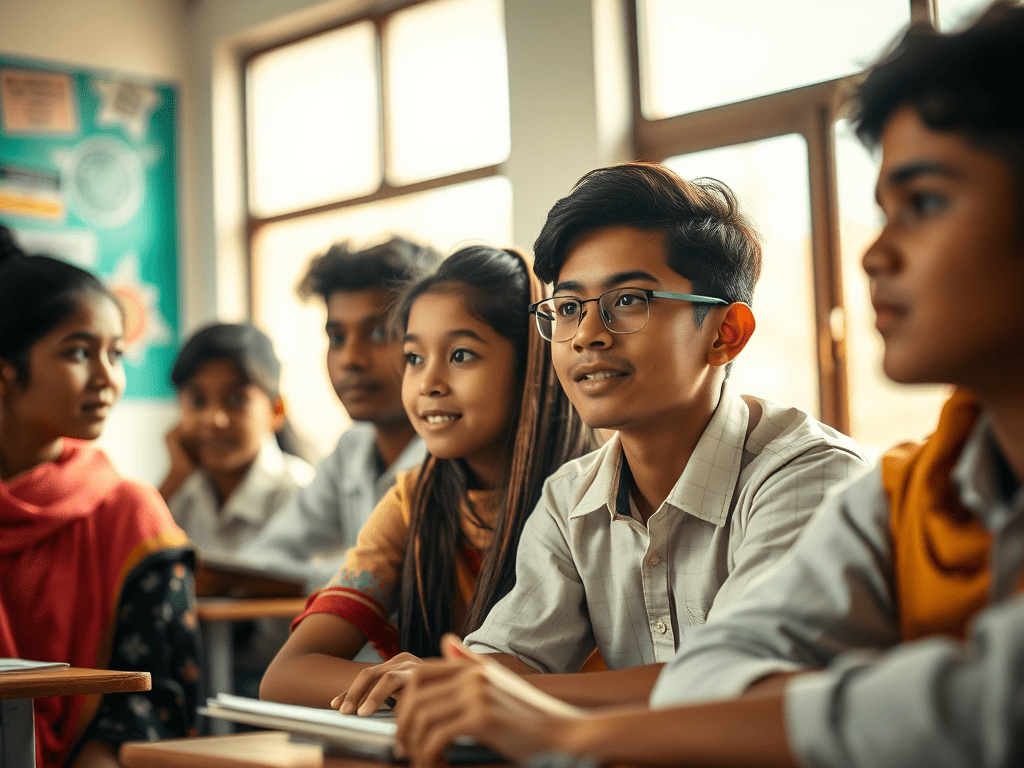
The recent student anti-discrimination movement in Bangladesh has highlighted the urgent need for comprehensive educational reforms. As the country navigates these changes, it is crucial to focus on key areas that will ensure a more inclusive, equitable, and effective education system. This blog post delves into the necessary reforms, particularly in secondary and higher secondary education, and discusses recent curriculum changes aimed at addressing these challenges.
Addressing Literacy and Numeracy Gaps
One of the most pressing issues in Bangladesh’s education system is the significant literacy and numeracy gaps among students, especially those in grades 3 and above. Despite efforts to improve these fundamental skills, many students still struggle. The government must implement targeted, evidence-based programs to enhance literacy and numeracy. This includes teacher training, updated teaching materials, and regular assessments to monitor progress.
Teacher Training and Professional Development: Effective teacher training programs are essential to equip educators with the skills and knowledge needed to teach literacy and numeracy effectively. Continuous professional development opportunities should be provided to ensure teachers stay updated with the latest teaching methodologies and educational research.
Updated Teaching Materials: The use of outdated and irrelevant teaching materials can hinder students’ learning progress. The government should invest in developing and distributing modern, contextually relevant textbooks and learning resources that cater to the diverse needs of students.
Regular Assessments: Implementing regular assessments can help identify students’ learning gaps early on. These assessments should be designed to provide actionable insights that teachers can use to tailor their instruction to meet the needs of each student.
Parental Involvement: Engaging parents in their children’s education can significantly impact literacy and numeracy outcomes. Schools should encourage parental involvement through regular communication, workshops, and resources that help parents support their children’s learning at home.
Integrating Climate Education
As one of the most climate-vulnerable countries, Bangladesh must incorporate climate education into its curriculum. This includes developing green skills and raising awareness about climate change. By educating students on sustainable practices and the impact of climate change, the country can prepare future generations to tackle environmental challenges.
Developing Green Skills: Green skills are essential for building a sustainable future. The curriculum should include practical lessons on renewable energy, waste management, and sustainable agriculture. Schools can also implement eco-friendly practices, such as recycling programs and school gardens, to provide hands-on learning experiences.
Raising Awareness About Climate Change: Climate education should go beyond the classroom. Schools can organize community events, workshops, and campaigns to raise awareness about climate change and its impacts. Students can be encouraged to participate in environmental projects and initiatives that promote sustainability.
Collaboration with Environmental Organizations: Schools can collaborate with environmental organizations to provide students with additional resources and opportunities for learning. These partnerships can include guest lectures, field trips, and participation in environmental conservation projects.
Incorporating Climate Education Across Subjects: Climate education should be integrated across various subjects, such as science, geography, and social studies. This interdisciplinary approach can help students understand the complex and interconnected nature of climate change and its impacts.
Digital Transformation
Bridging the digital divide is essential to ensure continuity of learning, especially during crises. The government should focus on providing digital resources and training to both students and teachers. This includes access to devices, internet connectivity, and digital literacy programs.
Access to Devices and Internet Connectivity: Ensuring that all students have access to digital devices and reliable internet connectivity is crucial. The government can provide subsidies or financial assistance to low-income families to help them afford these resources. Additionally, schools can set up computer labs and provide internet access to students who do not have it at home.
Digital Literacy Programs: Digital literacy is essential for students to succeed in the modern world. Schools should incorporate digital literacy programs into the curriculum, teaching students how to use technology effectively and responsibly. This includes lessons on online safety, digital citizenship, and basic computer skills.
Teacher Training in Digital Education: Teachers need to be proficient in using digital tools and platforms to deliver effective online instruction. The government should provide training and professional development opportunities for teachers to enhance their digital skills and integrate technology into their teaching practices.
Developing Online Learning Platforms: The government can develop and maintain online learning platforms that provide students with access to educational resources, interactive lessons, and virtual classrooms. These platforms should be user-friendly and accessible to all students, regardless of their technical skills or internet connectivity.
Curriculum Reform
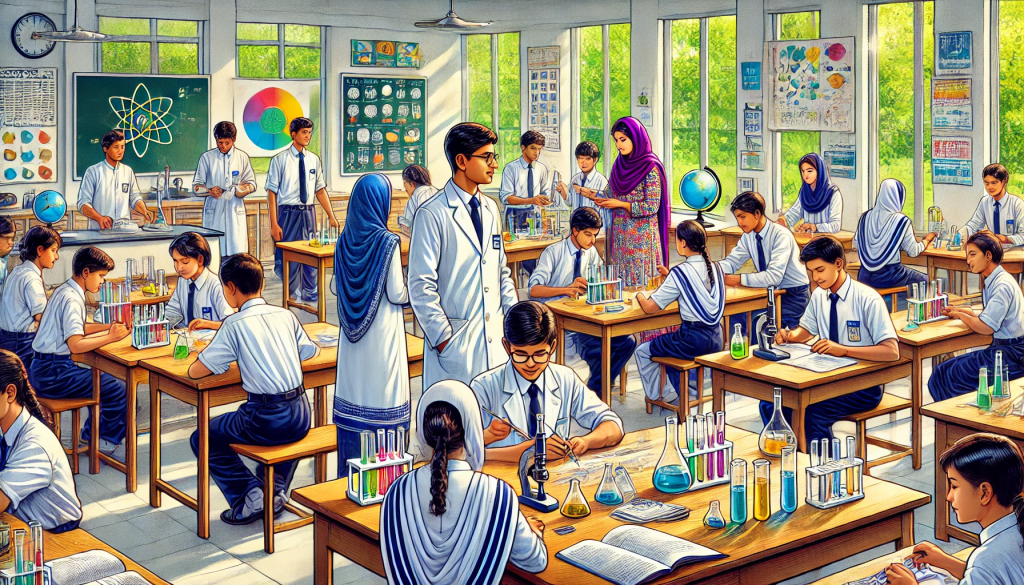
Implementing a competency-based curriculum that aligns with the demands of the modern world is crucial. The recent reforms in the secondary curriculum aim to link education directly to employment opportunities, transforming the population into a valuable asset for the country. This includes incorporating vocational training, critical thinking, and problem-solving skills into the curriculum.
Competency-Based Learning: Competency-based learning focuses on students’ ability to apply knowledge and skills in real-world situations. This approach emphasizes mastery of specific competencies rather than rote memorization. The curriculum should include clear learning objectives, practical assessments, and opportunities for students to demonstrate their understanding through projects and hands-on activities.
Vocational Training: Integrating vocational training programs into the secondary curriculum can help students develop practical skills that enhance their employability. These programs should be aligned with the needs of the local job market and provide students with opportunities for internships, apprenticeships, and hands-on training in various trades and professions.
Critical Thinking and Problem-Solving Skills: The curriculum should emphasize the development of critical thinking and problem-solving skills. This includes teaching students how to analyze information, think creatively, and make informed decisions. Schools can incorporate activities such as debates, group projects, and case studies to foster these skills.
Linking Education to Employment Opportunities: The curriculum should be designed to prepare students for the workforce. This includes providing career guidance, job placement services, and partnerships with local businesses and industries. Schools can also offer courses on entrepreneurship and financial literacy to help students develop the skills needed to start their own businesses.
Reforms in the Secondary Curriculum
Competency-Based Learning: The shift to competency-based learning is a much needed change in the secondary curriculum. This approach should focus on students’ ability to demonstrate their understanding and application of knowledge in real-world contexts. Competency-based learning encourages active learning, critical thinking, and problem-solving, which are essential skills for success in the modern world.
Vocational Training: The integration of vocational training programs into the secondary curriculum should aim to provide students with practical skills that are directly relevant to the job market. These programs offer hands-on training in various trades and professions, such as carpentry, plumbing, electrical work, and information technology. By equipping students with these skills, the government hopes to reduce unemployment and create a more skilled workforce.
Digital Literacy: Digital literacy must be a core component of the secondary curriculum. This includes teaching students how to use digital tools and platforms effectively, as well as understanding the ethical and responsible use of technology. Digital literacy programs aim to prepare students for the demands of the digital age and ensure they have the skills needed to succeed in a technology-driven world.
Environmental Education: The inclusion of environmental education in the secondary curriculum is a necessary response to the growing need for awareness and action on climate change. Environmental education aims to teach students about the impact of human activities on the environment and promote sustainable practices. This includes lessons on renewable energy, waste management, and conservation, as well as encouraging students to participate in environmental projects and initiatives.
Conclusion
The post anti-discrimination movement circumstances in Bangladesh have created a unique opportunity to address long-standing issues in the education system. By focusing on literacy and numeracy gaps, combating dropout rates and child marriage, integrating climate education, embracing digital transformation, and reforming the curriculum, Bangladesh can build a more inclusive and effective education system. These reforms are essential for preparing the next generation to meet the challenges of the future and contribute to the country’s development.
16 October 2024
 LK INNOVATE
Leave a comment