
An article by Dr Lokman Khan
The concept of rethinking and rebuilding society has gained significant traction in recent years, particularly in nations grappling with the aftermath of autocratic rule. This shift towards reform and restructuring represents a crucial juncture in the development of democratic institutions and the restoration of public trust. As countries transition from authoritarian regimes to more open systems of governance, they face the challenge of establishing a new framework based on the rule of law, social justice, and transparency.
The path to reform often involves a delicate balance between addressing past injustices and creating a foundation for future progress. This article explores the role of interim governments in navigating this complex landscape. It examines the legacy of autocracy and its lasting effects on societal structures. The piece also delves into the vision championed by student movements, which often serve as catalysts for change. Additionally, it discusses the process of rebuilding state institutions to ensure accountability and foster a more equitable society. By analyzing these key aspects, we can gain insights into the challenges and opportunities that arise when societies embark on the journey to rethink and rebuild their fundamental structures.
The Legacy of Autocracy
The legacy of autocratic rule has a profound and lasting effect on societies, leaving deep scars that persist long after the fall of authoritarian regimes. This legacy manifests in various ways, shaping the political, social, and economic landscape of nations transitioning towards democracy.
Erosion of Democratic Institutions
Autocratic regimes typically prioritize the consolidation of power, often at the expense of democratic institutions. They chip away at the checks and balances that form the foundation of a healthy democracy. This erosion targets key pillars of democratic governance, including:
Free public debate
A vibrant civil society
Competitive political parties
An independent judiciary
Autocrats frequently attack these restraints on their authority by targeting independent journalists, activists, judges, politicians, and human rights defenders. This systematic dismantling of democratic safeguards leaves a void in accountability, making it challenging for emerging democracies to establish robust institutions.
Human Rights Violations
The absence of democratic procedures and institutions under autocratic rule often leads to widespread human rights violations. Autocrats, unaccountable to the public, are more likely to prioritize their own political interests and those of their supporters over the rights and well-being of citizens. This disregard for human rights manifests in various forms:
Repression of civil society
Media censorship
Restrictions on civic space
Use of military force to enforce government policies
In some cases, autocratic regimes have used crises, such as the COVID-19 pandemic, to justify further restrictions on civil liberties. These measures, while sometimes presented as necessary for public safety, can lead to long-term abuse of power and deterioration of democratic principles.
Economic Inequality
Autocratic rule often exacerbates economic inequality, as leaders divert government resources to self-serving projects rather than addressing public needs. This misallocation of resources has a significant impact on the economic well-being of citizens:
Neglect of essential public services (e.g., healthcare, education)
Flourishing of cronyism and corruption
Widening gap between the elite and the general population
The economic legacy of autocracy can persist long after a regime change, posing significant challenges for new governments attempting to implement more equitable policies. This economic disparity often interacts with other aspects of autocratic legacy, further complicating the path to democratic reform and societal rebuilding.
The Student Movement’s Vision
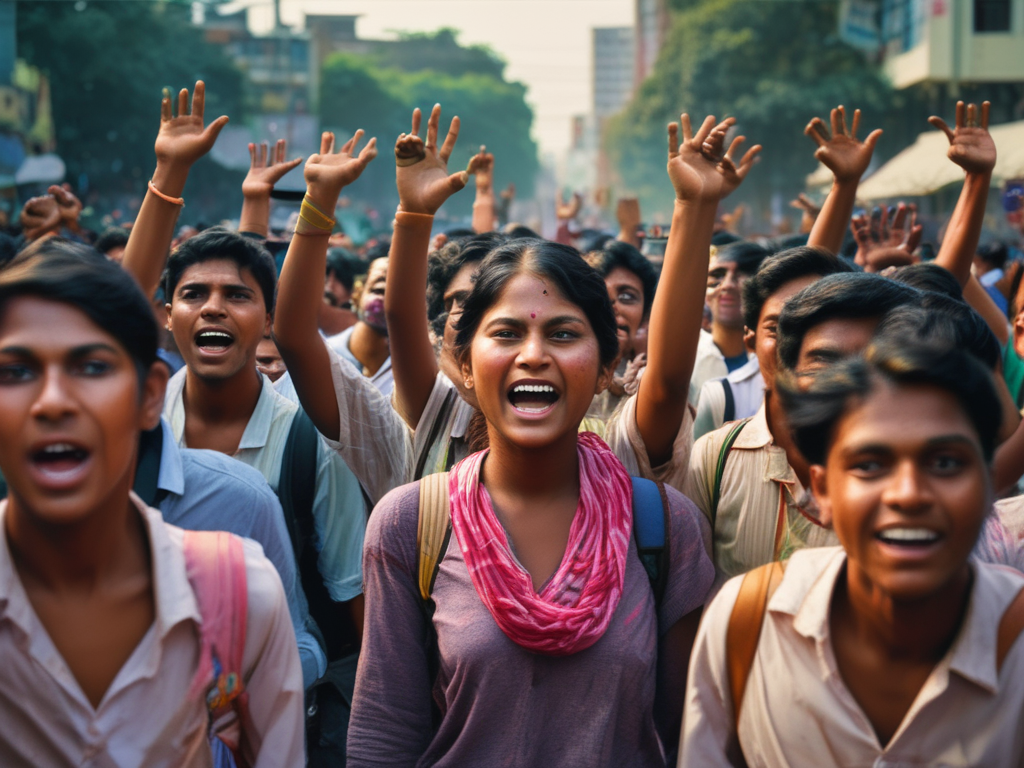
The student movement has emerged as a powerful force in the fight for social justice, with young activists leading the charge for systemic change. At the heart of their vision lies a commitment to dismantling deep-rooted inequities and addressing discrimination in all its forms. This movement has gained significant traction, as exemplified by the Anti-discrimination Students Movement in Bangladesh and similar initiatives worldwide.
Anti-discrimination agenda
The student movement’s anti-discrimination agenda is multifaceted, encompassing efforts to combat racism, sexism, homophobia, and other forms of oppression. In Bangladesh, the Anti-discrimination Students Movement organized protests under a four-point demand system, advocating for quota reform and broader societal changes. This approach reflects a global trend where students are pushing for comprehensive reforms to address discrimination in various sectors, including policing, criminal justice, education, and employment.
Demand for systemic change
Students are calling for a fundamental transformation of the systems that have perpetuated injustice. This demand for systemic change is evident in their actions, such as organizing protests, human chains, and civil disobedience campaigns. In Bangladesh, students staged demonstrations, marches, and blockades of highways and railways under the banner of the “Bangla Blockade.” These actions highlight the movement’s determination to challenge the status quo and push for sweeping reforms.
Youth leadership
Young leaders are at the forefront of this movement, pushing for greater representation and decision-making power. The success of the student movement in Bangladesh, which led to the resignation of Prime Minister Sheik Hasina during the Non-cooperation movement, demonstrates the potential impact of youth leadership. Following this change, members of the student organization became advisors to the interim government and formed a liaison committee to work on new political arrangements. This shift towards youth involvement in governance reflects a broader trend of young people taking charge of their future and actively participating in shaping their societies.
Rebuilding State Institutions
The process of rebuilding state institutions is crucial for countries transitioning from autocratic rule to democratic governance. This task involves reforming key pillars of the state to ensure accountability, transparency, and the protection of citizens’ rights.
Reforming the judiciary
A cornerstone of rebuilding state institutions is the reform of the judicial system. Governments have been working to transform justice systems by implementing procedural reforms, integrating technology, and realigning financing models. The COVID-19 pandemic has accelerated these plans while underscoring the need for greater progress, especially to meet the requirements of marginalized segments of society.
To rebuild trust in the judiciary, leaders must focus on making their organizations and processes more transparent, accountable, ethical, fair, accessible, affordable, and equitable to all. This includes creating the right structure and mechanisms for effective collaboration among prosecutors, judges, lawyers, police, and litigants. The shift to e-courts and digital hearings has provided significant flexibility, but clear criteria need to be in place to determine which cases are suitable for the virtual realm.
Strengthening civil society
Civil society organizations (CSOs) play a vital role in identifying abuses and advocating for reforms when governments fail to act in the public interest. However, many countries have adopted legislation or policies that improperly constrain nongovernmental organizations, particularly those working on human rights and governance issues.
To counter these restrictions, international organizations like Freedom House support local civic groups with tools to advance democratic governance. This support includes providing emergency assistance to CSOs under threat and advocacy support to respond to broader threats to civil society. In some cases, CSOs have strategically allowed themselves to become coopted by regimes to avoid repression and exert a limited measure of social and political influence.
Ensuring media freedom
Media freedom is a vital part of democracy and fundamental to the rights of citizens. A free press can inform citizens of their leaders’ successes or failures, convey people’s needs to government bodies, and provide a platform for the open exchange of information and ideas. However, media freedom has been deteriorating around the world over the past decade, with populist leaders overseeing concerted attempts to throttle the independence of the media sector.
To address this issue, new rules and regulations are being proposed to guarantee citizens’ right to access free and pluralistic information. These include safeguards to combat political interference in editorial decisions, protect journalists and their sources, and ensure media freedom and pluralism. Key elements of such regulations include establishing independent public service media with stable funding, ensuring transparency of media ownership, and creating watchdogs for media freedom.
Conclusion
The journey to rethink and rebuild society after autocratic rule is a complex and challenging process. It demands a careful balance between addressing past injustices and laying the groundwork for a more democratic future. The legacy of autocracy, with its erosion of democratic institutions and human rights violations, has a lasting impact on societies striving for change. At the same time, the vision championed by student movements offers hope and energy to drive reform.
To wrap up, the task of rebuilding state institutions is crucial to ensure accountability and protect citizens’ rights. This involves reforming the judiciary, strengthening civil society, and safeguarding media freedom. While the path forward is not without obstacles, the commitment to reform and the active participation of youth in shaping their societies provide a strong foundation to build upon. In the end, the success of these efforts will depend on the continued dedication of all segments of society to create a more just and equitable future.

 LK INNOVATE
Leave a comment