
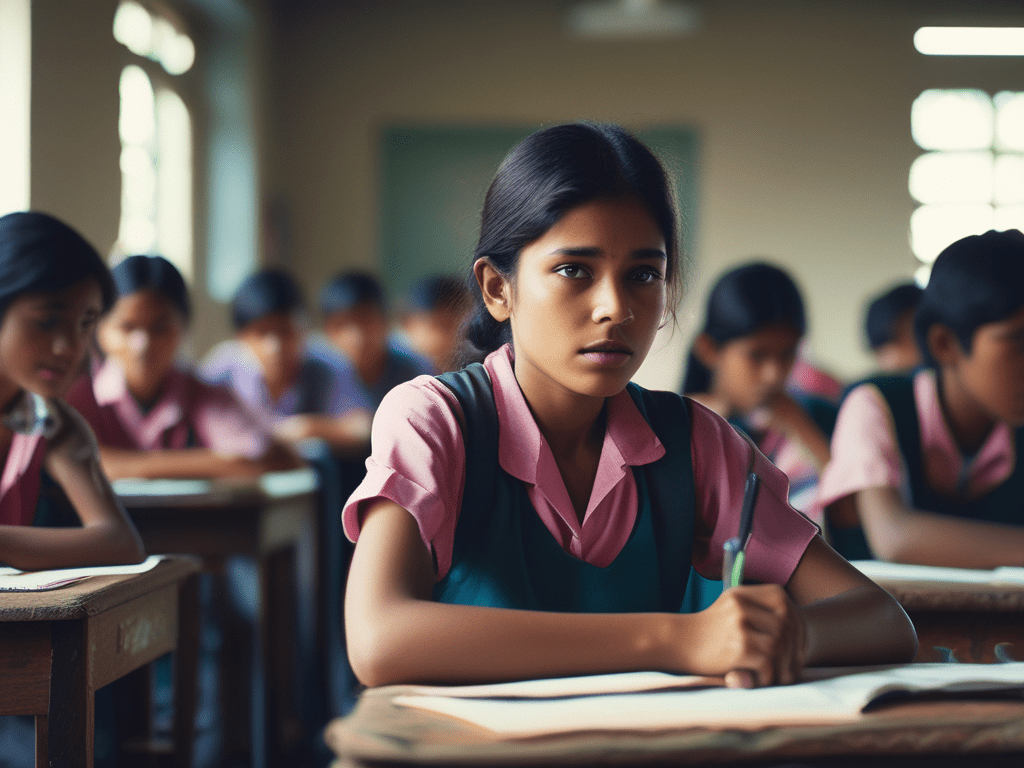
By Dr Lokman Khan
- Public Spending on Education in Bangladesh
- Impact of Education Spending on Economic Growth
- Distribution and Utilization of Education Funds
- Quality of Education and Outcomes
- Policy Recommendations and Future Directions
- Conclusion
- References
Investing in education is vital for achieving sustainable development and ensuring economic growth, making the examination of education in Bangladesh a critical inquiry. As Bangladesh strives towards meeting its Sustainable Development Goals, the role of education, spanning from primary education to secondary education, becomes increasingly pertinent. This article delves into the effectiveness of government spending in the education sector, aiming to uncover whether Bangladesh is allocating sufficient resources to foster a robust education system capable of propelling the country forward. The significance of quality education, teacher training, and equitable access to learning opportunities plays a central role in this discussion, scrutinizing how these elements impact the nation’s journey towards prosperity and development.
The subsequent sections will offer a comprehensive review of public spending on education in Bangladesh, dissecting the government’s budget allocation and foreign aid contributions to the education sector. Analysis will extend to the correlation between education finance and economic growth, focusing on how investments in education contribute to an increase in GDP. Additionally, the exploration will cover the distribution and utilization of education funds, the existing quality of education and outcomes, and the pivotal areas of education policy and reform. Recommendations for enhancing education finance, policy, and teacher training, along with insights into future directions for achieving equity in education and optimizing the education system in Bangladesh, will also be discussed. This article aims to provide a holistic overview of education finance and policy in Bangladesh, spotlighting the challenges and opportunities within the context of striving for a fair, high-quality education system.
Public Spending on Education in Bangladesh
Historical Trends
Bangladesh’s education expenditure as a percentage of GDP has shown fluctuating trends over the years. From 2016 to 2022, the average education expenditure was notably low, ranking as the fifth lowest among 41 least developed countries [1]. The highest allocation of 2.49% of GDP was recorded in 2016–17, but this figure has gradually declined over the past seven years, reaching its lowest in the fiscal year 2023–24 with an allocation of only 1.76% [1]. This is significantly below UNESCO’s recommended allocation of 4% to 6% of GDP for the education sector [1].
Current Budget Allocation
On June 6, 2024, Finance Minister Abul Hassan Mahmood Ali presented a national budget of BDT 7,970 billion for the fiscal year 2024-25 in parliament. This budget is only 4.6% larger than the current fiscal year’s budget. The projected budget deficit for FY25 is 4.6% of the GDP, compared to 4.7% in the revised budget for FY24[1a].
In the context of secondary and higher education, a proposed budget of BDT 44,108 crore exceeds the previous allocation of BDT 42,839 crore for FY 2023-24. Additionally, apart from Primary and Mass education, the Technical and Madrasa Education Division is set to receive BDT 11,783 crore, compared to BDT 10,602 crore in the previous fiscal year. [1b].
In the fiscal year 2023–24, the education sector received a substantial increase in budget allocation. The total budget for education was set at BDT 88,162 crore, which constitutes 11.6% of the total budget [2]. This represents an 8.3% increase from the previous year’s budget and a 25.1% increase from the revised allocation of the preceding year [2]. Notably, the highest allocation within the education sector was directed towards the Secondary and Higher Education Division with BDT 42,838 crore, followed by BDT 34,722 crore for the Ministry of Primary and Mass Education [2].
Comparison with Neighboring Countries
When compared to its neighbors, Bangladesh’s education spending as a percentage of GDP remains lower than many. For instance, Bhutan spent 7.0% of its GDP on education in 2021, while India allocated 4.5% in 2020 [1]. In contrast, Bangladesh’s expenditure was only 1.97% of GDP in 2022 [3]. Even among other least developed countries, nations like Sierra Leone and Ethiopia allocate substantially higher percentages of their GDP to education, at 6.7% and 5.1% respectively [1].
These comparisons underscore the challenges and the need for increased investment in Bangladesh’s education sector to align with global standards and ensure sustainable development and economic growth.
Impact of Education Spending on Economic Growth
Studies and Data
Research has consistently shown a positive relationship between education spending and economic growth in Bangladesh. For instance, studies by Islam et al. (2007) and Maitra and Mukhopadhyay (2012) demonstrated a bi-directional causality and a positive association, respectively, between education spending and GDP growth [4]. Further supporting this, Mallick et al. (2016) found a significant positive impact of public education expenditure on economic growth across several Asian countries, including Bangladesh [4]. These findings are corroborated by additional research from Islam (2014), which highlighted the beneficial effects of educational expenditure on economic growth in both the short and long term [4].
Long-term Benefits
The long-term benefits of investing in education extend beyond immediate economic impacts. Empirical studies using data from the Labour Force Survey indicate that individuals with primary education in Bangladesh earn significantly more than those without any education [4]. Furthermore, education plays a crucial role in poverty reduction and women’s empowerment. Higher education levels correlate with lower poverty rates and contribute significantly to declining fertility rates, which is a key factor in women’s empowerment [4]. The gender wage gap has also narrowed considerably, thanks in part to increased educational attainment among women [4].
Challenges
Despite these positive outcomes, challenges remain. The quality of education from primary to higher levels has been a persistent concern, impacting the overall effectiveness of educational investments [5]. Additionally, the rate of joblessness among educated youths is higher than the national average, indicating a mismatch between the education provided and the skills demanded by employers [5]. This underscores the need for a strategic focus on improving educational quality and alignment with labor market needs to fully realize the economic benefits of education spending.
Distribution and Utilization of Education Funds
Primary and Secondary Education
The allocation and management of education funds in Bangladesh reveal significant disparities, particularly between government and non-government schools. While government primary schools attract a relatively well-educated workforce, governance issues such as absenteeism are less prevalent compared to the health sector, though time on task remains a challenge [6]. In contrast, non-government schools exhibit several governance concerns, including corruption in the allocation of stipends and collusion in teacher recruitment and payment processes [6]. Furthermore, the financial management within these schools often lacks transparency, leading to inefficiencies and misallocation of funds [7].
Equity and Accessibility
The distribution of public education resources in Bangladesh is notably unequal, contributing to significant disparities in education access and outcomes across different regions and school types. This inequity is exacerbated by the allocation of funds, which tends to favor urban over rural areas, and wealthier segments of the population [7]. For instance, the expenditure on primary education per student in the richest households is substantially higher than that in the poorest households, with urban areas seeing a more pronounced disparity [8]. Such inequalities hinder the achievement of equitable education outcomes and necessitate reforms in governance and resource allocation [7].
Misallocation and Leakages
Issues of misallocation and financial leakages in the education sector are prevalent, with funds often not reaching the intended recipients. Studies indicate that policies aimed at enabling poor students to attend school, such as free schooling and subsidized schoolbooks, are not effectively targeted, thus failing to address the root causes of educational exclusion [9]. Additionally, the lack of adequate oversight and accountability mechanisms contributes to the mismanagement of funds, further limiting the effectiveness of education spending in achieving desired educational outcomes [7]. To address these challenges, there is a critical need for improved governance practices that ensure transparency and accountability in the distribution and utilization of education funds [7].
Quality of Education and Outcomes
Teacher Quality and Training
The quality of education in Bangladesh is significantly influenced by the qualifications and training of teachers. Many educators lack appropriate qualifications and do not receive adequate training, which adversely affects the quality of education students receive [10]. To address these challenges, it is crucial to ensure the recruitment of teachers based on merit and to provide proper incentives and monetary compensation to attract qualified graduates to the teaching profession [10]. Additionally, teacher training programs should include comprehensive curricula covering child development, psychology, interactive learning, and assessment strategies to enhance the effectiveness of teaching [10].
Student Performance
Student motivation plays a critical role in academic success. Studies show that motivation drives students to reach their learning goals, significantly impacting their academic performance [11]. Furthermore, gender has been found to positively affect academic performance, with several studies supporting this finding [11]. Regular attendance, hard work, and support from family members are also key factors that enhance the academic performance of students [12]. However, challenges such as insufficient effort, lack of interest in subjects, and an unfriendly educational environment can negatively impact student outcomes [12].
Infrastructure and Resources
The infrastructure within many educational institutions in Bangladesh remains inadequate, with a lack of basic facilities such as clean water, sanitation, and electricity [10]. This deficiency extends to educational resources, including textbooks and teaching materials, which are crucial for a comprehensive education [13]. To improve this situation, it is essential to ensure that students, especially those from disadvantaged and marginalized communities, have access to digital devices and online learning platforms to facilitate blended education [10]. Additionally, the adoption of online education and virtual reality (VR) technology requires robust infrastructure and reliable internet connectivity, supported by government initiatives and public-private partnerships [13].
These measures are vital for enhancing the quality of education and ensuring that all students in Bangladesh have the opportunity to achieve successful educational outcomes.
Policy Recommendations and Future Directions
Increasing Budget Allocation
To address the challenges of graduating from the least developed country status, it is imperative for Bangladesh to significantly increase its budget allocation for education. The current allocation of 1.76 percent of the Gross Domestic Product (GDP) for the education ministries in the 2023–24 fiscal year is notably insufficient [1]. This figure stands well below UNESCO’s recommendation of four to six percent allocation of the GDP for the sector, underscoring a critical need for enhancement to meet international standards and ensure sustainable development [1].
Strengthening Governance and Efficiency
Effective governance is crucial for the advancement of education in Bangladesh. The World Bank-supported Education Sector Development Support Credits (ESDSC) I and II have led to appreciable improvements in the quality of the secondary education system. These reforms have focused on strengthening school management, enhancing transparency, and improving the cost-effectiveness of service delivery [14]. Additionally, they have addressed teacher management issues by reducing teacher absenteeism and enhancing the quality of textbook production and distribution. These measures have contributed to an increase in the secondary school completion rate and a reduction in the gender gap in secondary education [14].
Investing in Vocational and Technical Education
Investing in Vocational and Technical Education (TVET) is essential for equipping the workforce with relevant skills and knowledge, thereby driving sustainable development and closing the skills gap in Bangladesh [15]. The Skills and Training Enhancement Project (STEP) has been instrumental in improving the quality of training and expanding access for disadvantaged youth. For instance, Chittagong Mohila Polytechnic, supported by STEP, has seen significant improvements in facilities and an increase in student intake, particularly benefiting female students [16]. To further advance TVET, it is crucial for vocational training institutions, industries, and government agencies to collaborate on integrating the latest discoveries in environmentally friendly practices into the curriculum [15].
Implementing these recommendations will not only enhance the quality and accessibility of education in Bangladesh but also contribute to the nation’s overall economic growth and social development.
Conclusion
Through this comprehensive overview, it has become evident that while strides have been made towards enhancing the educational landscape of Bangladesh, significant gaps and opportunities for improvement remain. The critical examination of government spending, quality of education, and equitable access underscores a complex landscape where progress and challenges coexist. The article has demonstrated that increasing educational spending, focusing on quality and teacher training, and ensuring equitable access are pivotal in optimizing Bangladesh’s educational system and in turn, driving economic growth and sustainable development.
Addressing these challenges necessitates a multifaceted approach that includes increasing budget allocations to meet international standards, improving governance and efficiency in education management, and investing in vocational and technical education. These steps are not just crucial for enhancing the educational outcomes but are also instrumental in preparing Bangladesh for a prosperous future marked by inclusivity and resilience. As the nation moves forward, it is clear that investing in education is not merely a policy choice but a foundational priority that will define its trajectory towards achieving sustainable development goals and realizing its full potential.
References
[1a]-https://www.lightcastlebd.com/insights/2024/06/bangladeshs-proposed-budget-for-fy-2024-25/.
[1b] https://www.thedailystar.net/campus/news/breaking-down-the-fy2024-25-education-budget-3633066#
[2] – https://cpd.org.bd/resources/2023/08/Education-budget-2023–24.pdf
[3] – https://www.theglobaleconomy.com/Bangladesh/Education_spending/
[7] – https://unesdoc.unesco.org/ark:/48223/pf0000180086
[8] – https://files.eric.ed.gov/fulltext/ED533595.pdf
[13] – https://www.linkedin.com/pulse/revolutionizing-education-bangladesh-unleashing-power-pmp
 LK INNOVATE
Leave a comment