
By Dr Lokman Khan
For many years, the Russell’s viper, a venomous snake common in South Asia, was thought to be extinct in Bangladesh. However, recent news reports of a surge in snakebites reveal its surprising return. This comeback story isn’t without consequences, highlighting the importance of maintaining a balanced ecosystem for our own well-being.
Understanding the Food Chain: A Delicate Balance
Let’s take a step back. Every living thing needs to eat to survive. Plants get their energy from the sun, while animals get theirs by eating plants or other animals. This connected network of who eats whom is called a food chain. Imagine a simple chain: grass –> mice –> snake –> hawk. Disrupt this chain by removing the snake, and things can get messy.
Imagine nature as a grand performance, where every creature plays a crucial role. A food chain represents the flow of energy between organisms. Plants, like actors on stage, capture the sun’s energy and use it to grow. These “producers” become the first course for plant-eating animals, the “primary consumers.” Following them are the “secondary consumers,” who might be meat-eaters that prey on the plant-eaters. This chain continues with various levels of predators, with each organism depending on the one below it for energy.
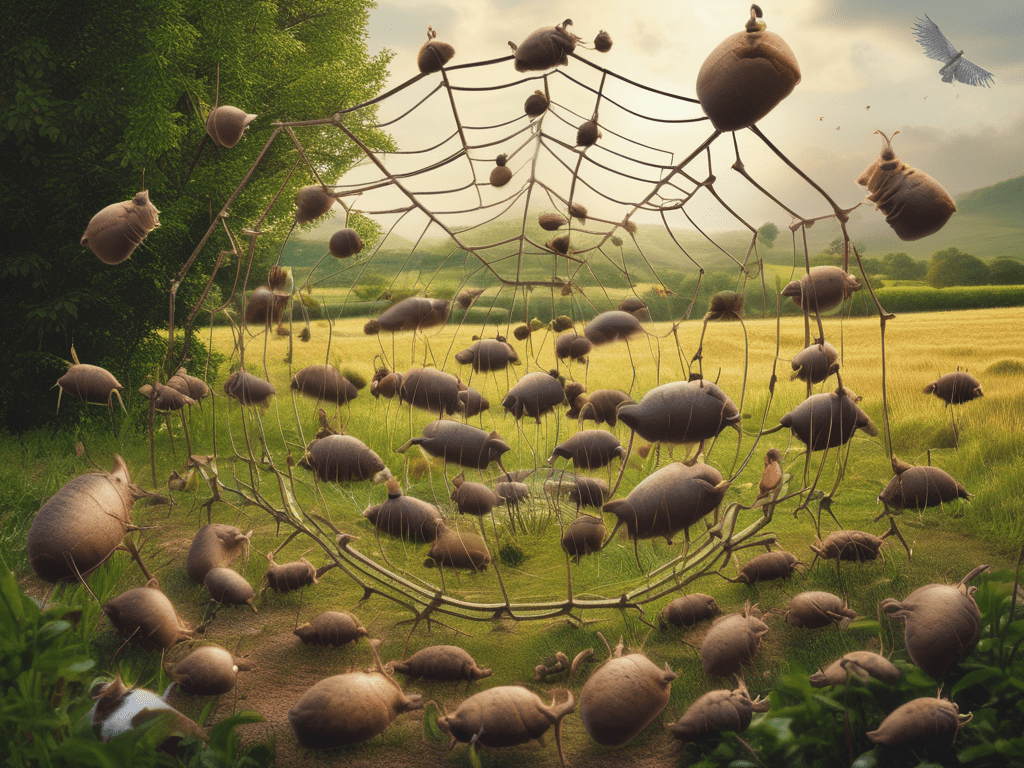
In reality, ecosystems are more complex. Food webs show the interconnectedness of many food chains. The mice the snake eats might also be eaten by foxes, and the hawks might also eat rabbits. This web maintains a delicate balance. If there are too many mice, they’ll eat too much grass. More snakes help control the mice population, protecting the grass and the whole ecosystem it supports.
This web creates a delicate balance, where every creature plays a part in keeping the system functioning.
The Missing Link: The Role of the Russell’s Viper
Back to Bangladesh. Let’s look at an example. In Bangladesh’s ecosystem, rodents thrive in farmlands. The Russell’s viper preys heavily on rodents. These rodents become a food source for the Russell’s viper, keeping their population in check. If we remove the vipers, the rodent population explodes. These rodents then feasted on crops, causing significant damage to farms. This uncontrolled surge in rodents can devastate crops, impacting farmers’ livelihoods and food security for the entire nation. The return of the viper, although posing a health risk, might actually help restore this balance.
Ecosystem Balance: The Foundation of Human Well-being
Healthy ecosystems are the foundation for our well-being. They provide us with clean air, water, and fertile soil – essentials for agriculture and food production. These systems also regulate floods, purify water naturally, and offer resources like timber and medicine. When we disrupt this delicate balance by eliminating creatures like the Russell’s viper, we jeopardize these vital services, impacting agriculture, water resources, and even our health, as seen with the rise in snakebites.
Conclusion: Respecting Nature’s Harmony
The return of the Russell’s viper is a reminder that nature is resilient, but also interconnected. By understanding food webs and the delicate balance they create, we can learn to coexist with creatures that might seem scary at first glance. Responsible wildlife management and education are key. Let’s appreciate the role each player has in the grand symphony of nature, ensuring a healthy environment for ourselves and future generations.
The answer doesn’t lie in completely wiping out any species. Instead, we need to find ways to coexist with these animals. This might involve educating farmers about the role of snakes in the ecosystem, encouraging preventative measures to avoid snakebites, and ensuring better access to effective anti-venom.
By understanding the interconnectedness of nature, we can make informed decisions that protect both ourselves and the ecosystems we rely on.
23 June 2024
 LK INNOVATE
Leave a comment