
By Dr Lokman Khan
- Unprocessed vs. Ultra-Processed: What’s the Difference?
- Decoding Ultra-Processed Foods
- A Modern Dietary Staple? The Prevalence of Ultra-Processed Foods
- The Health Risks Lurking Within
- Whole Foods vs. Ultra-Processed: A Tale of Two Nutritional Profiles
- Why Children Are Particularly Vulnerable
- Can Ultra-Processed Foods Fit into a Healthy Diet?
- Beyond the Plate: The Environmental Impact
- Marketing Muscle: How We’re Encouraged to Choose Ultra-Processed
- Making Smarter Choices: Alternatives to Ultra-Processed Foods
- Empowering Yourself: The Road to a Healthier You
Unprocessed vs. Ultra-Processed: What’s the Difference?
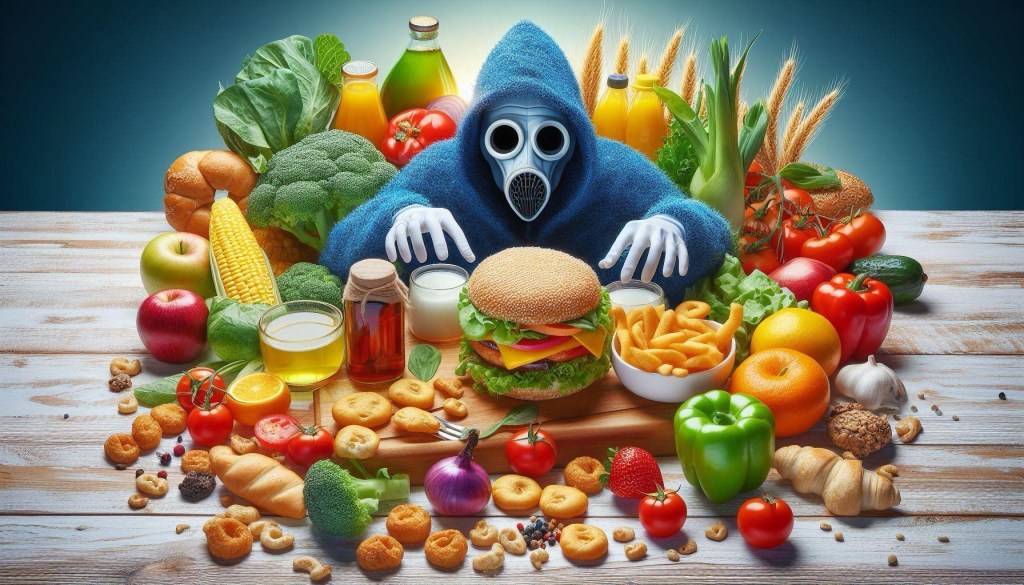
In today’s fast-paced world, convenience often reigns supreme, especially when it comes to food. But what if that convenience comes at a cost to your health? Ultra-processed foods, a growing presence in our supermarkets, are raising concerns among health experts. Let’s delve deeper into what ultra-processed foods are, the health risks they pose, and how to navigate a healthier path.
Decoding Ultra-Processed Foods
Not all processed foods are created equal. Minimally processed foods like frozen fruits or canned beans simply undergo methods to preserve freshness without significantly altering their composition. Ultra-processed foods, on the other hand, are heavily altered from their whole food origins. They often contain a long list of ingredients including:
- Sugars: Added sugars like high-fructose corn syrup contribute to weight gain and metabolic issues.
- Unhealthy fats: Saturated and trans fats increase the risk of heart disease.
- Refined grains: Stripped of fiber and nutrients, these can lead to blood sugar spikes and cravings.
- Additives and preservatives: While generally safe in moderation, excessive intake might have unknown long-term effects.
A Modern Dietary Staple? The Prevalence of Ultra-Processed Foods
The convenience and affordability of ultra-processed foods have made them a staple in many diets. Studies show that up to 60% of daily calories consumed in some countries come from these foods. This trend is particularly concerning for children, who are easily influenced by marketing and develop taste preferences early on.
The Health Risks Lurking Within
Recent research paints a concerning picture regarding the health consequences of ultra-processed foods. Here’s a glimpse:
- Obesity and Metabolic Syndrome: The high sugar and unhealthy fat content combined with refined carbohydrates in ultra-processed foods contribute to weight gain and metabolic problems like insulin resistance.
- Heart Disease: Processed meats, sugary drinks, and fried snacks all contribute to clogged arteries and increase the risk of heart attacks and strokes.
- Type 2 Diabetes: The constant blood sugar fluctuations caused by refined carbohydrates in ultra-processed foods can lead to insulin resistance and eventually type 2 diabetes.
- Certain Cancers: Studies suggest a link between ultra-processed food intake and an increased risk of colorectal cancer and other cancers.
- Mental Health: Research suggests a correlation between high ultra-processed food intake and depression in adults and adolescents.
Whole Foods vs. Ultra-Processed: A Tale of Two Nutritional Profiles
The stark difference in nutritional value between whole foods and their ultra-processed counterparts is undeniable.
- Whole foods: Packed with vitamins, minerals, fiber, and antioxidants, these foods support overall health and well-being.
- Ultra-processed foods: Often devoid of essential nutrients, they are high in calories, unhealthy fats, and added sugars.
Why Children Are Particularly Vulnerable
Children’s developing bodies are more susceptible to the negative effects of ultra-processed foods. Sugary drinks and snacks contribute to childhood obesity, while processed foods often lack the nutrients crucial for growth and development. Additionally, aggressive marketing targeting children can create unhealthy eating habits that persist into adulthood.
What About Additives and Preservatives?
While generally safe in moderation, some additives and preservatives in ultra-processed foods have raised concerns. Excessive intake of certain artificial flavors, colors, and emulsifiers might be linked to hyperactivity in children and require further research on potential long-term effects.
Can Ultra-Processed Foods Fit into a Healthy Diet?
Occasional indulgence is unlikely to cause significant harm. However, aiming for a diet primarily based on whole foods is crucial for optimal health. Moderation is key, and when choosing ultra-processed options, prioritize those with a shorter ingredient list and limited added sugars and unhealthy fats.
Beyond the Plate: The Environmental Impact
The environmental footprint of ultra-processed foods is often sizeable. Intensive processing, packaging, and transportation contribute to greenhouse gas emissions and resource depletion. Opting for whole foods often translates to a more sustainable dietary approach.
Marketing Muscle: How We’re Encouraged to Choose Ultra-Processed
Eye-catching packaging, persuasive advertising, and readily available ultra-processed snacks all play a role in shaping our food choices. Being mindful of marketing tactics and focusing on the long-term health benefits of whole foods can help us make informed decisions.
Making Smarter Choices: Alternatives to Ultra-Processed Foods
Here’s how you can navigate a healthier path:
- Plan your meals: Dedicate some time each week to plan meals and snacks. This allows you to make conscious choices and avoid impulse purchases of ultra-processed options.
- Embrace whole foods: Focus on incorporating fruits, vegetables, whole grains, lean proteins, and healthy fats into your diet.
- Read food labels: Don’t be fooled by marketing claims. Pay close attention to ingredient lists and prioritize foods with recognizable, whole food ingredients.
- Cook at home more often: Cooking at home gives you complete control over the ingredients and portion sizes.
- Stock your pantry with healthy staples: Having healthy options readily available makes it easier to avoid processed snacks when hunger strikes.
- Be mindful when eating out: Choose restaurants that offer whole food-based dishes or opt for healthier menu options.
- Limit sugary drinks: Water should be your primary beverage. Opt for unsweetened tea or naturally flavored sparkling water for variety.
- Make healthy swaps: Craving chips? Bake your own sweet potato chips or try air-popped popcorn with spices. Yearning for cookies? Whip up a batch of whole-wheat banana bread with minimal added sugar.
Empowering Yourself: The Road to a Healthier You
By making informed choices, you can significantly reduce your intake of ultra-processed foods. Prioritize whole foods, plan your meals, and be mindful of marketing tactics. Remember, small changes over time can lead to a healthier and more vibrant you.
Call to Action:
Do you have questions or tips about reducing ultra-processed foods in your diet? Share them in the comments below! Let’s work together to create a healthier future for ourselves and our loved ones.
Note: This blog post is for informational purposes only and should not be construed as medical advice. Always consult with a healthcare professional before making significant changes to your diet.


 LK INNOVATE
Leave a comment