

By Dr Lokman Khan
Explore the profound impacts of climate change on Bangladesh, a nation grappling with rising sea levels, extreme weather, and agricultural challenges. Understand the science, the stories, and the strategies for resilience in ’Facing the Tide: Bangladesh’s Battle with Climate Change and Global Warming.
- Introduction
- Understanding the Threat: Causes and Geography
- Living on the Edge: Immediate Threats
- The Human Cost: How Bangladeshis are Affected
- Taking Action: Fighting for a Future
- A Global Challenge: The Need for International Cooperation
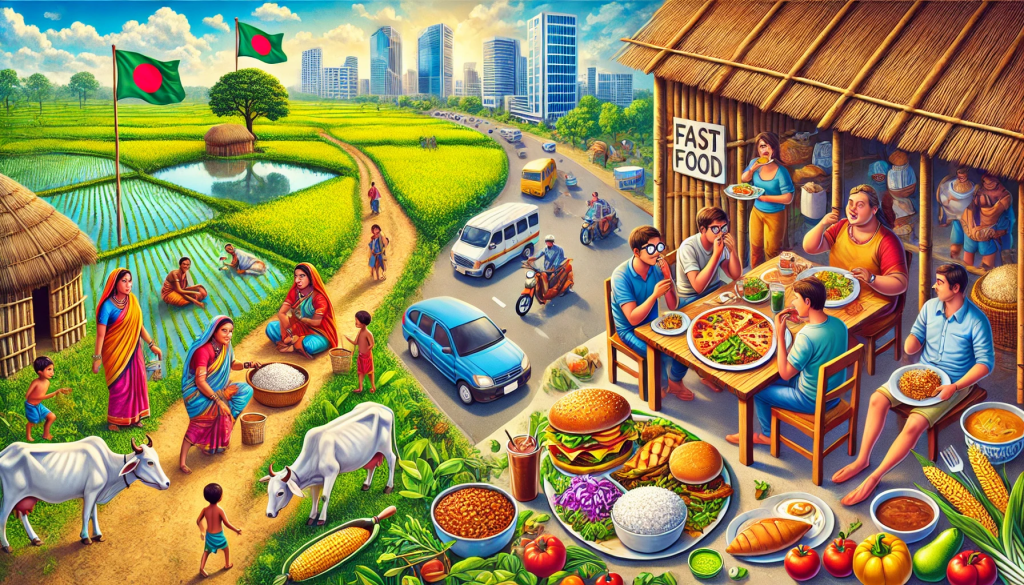
- Uneven Impact: Urban vs. Rural
- The Looming Crisis: Food Security and Agriculture
- Building Resilience: How Individuals and Communities Can Adapt
- Conclusion: A Call to Action
Introduction
In the heart of South Asia, Bangladesh stands at a crossroads, facing the relentless advance of climate change. This nation, woven with rivers and rich in culture, now confronts rising tides and scorching heatwaves that threaten its very existence. The impacts of global warming on Bangladesh are not just numbers and forecasts; they are the lived realities of millions. As the world watches, Bangladesh’s struggle serves as a stark reminder of our shared vulnerability and the urgent need for action.
Climate change is no longer a distant threat; it’s a harsh reality for millions of Bangladeshis. The country’s unique geography makes it acutely vulnerable to rising sea levels, intensified storms, and unpredictable weather patterns. These changes aren’t just environmental inconveniences; they’re disrupting lives, livelihoods, and the very future of Bangladesh.
Understanding the Threat: Causes and Geography
Bangladesh faces climate challenges due to a combination of human activities and natural factors. The primary causes include the burning of fossil fuels, deforestation, and industrial emissions, which contribute to the greenhouse effect and global warming. Additionally, its vast deltaic plains are prone to natural disasters, exacerbated by climate change.
Causes of Climate Change Affecting Bangladesh
- Greenhouse Gas Emissions: The burning of fossil fuels like coal and oil traps heat in the atmosphere, causing global temperatures to rise. While Bangladesh contributes minimally to these emissions, it suffers the consequences disproportionately.
- Melting Glaciers: Rising global temperatures melt glaciers in the Himalayas, impacting the flow of freshwater into Bangladesh’s river systems.
Bangladesh’s Geographic Vulnerability
The country’s geography, with the majority of its land just above sea level and crisscrossed by numerous rivers, makes it exceptionally vulnerable to sea-level rise and flooding. The low-lying topography, combined with the high population density, increases the risk of widespread disaster during extreme weather events.
- Low-Lying Land: Much of Bangladesh sits less than 10 meters above sea level, making it highly susceptible to rising sea tides and storm surges.
- Dense Population: With a population exceeding 168 million people, even small land losses due to rising seas and floods displace massive numbers of people.
- Extensive Coastline: Bangladesh’s 710 kilometers of coastline are directly exposed to the fury of cyclones and rising sea levels.
Living on the Edge: Immediate Threats
Bangladesh is currently grappling with severe heatwaves, cyclones, and floods. These immediate threats are not only causing immediate harm and displacement but are also straining the country’s resources and infrastructure, leading to long-term socioeconomic challenges.
- Increased Flooding: Rising sea levels combined with erratic rainfall patterns lead to more frequent and severe floods, inundating homes, farms, and infrastructure.
- Intensified Cyclones: Warmer ocean temperatures fuel more powerful cyclones, bringing stronger winds, storm surges, and devastating consequences.
- Salinization of Land and Water: Rising sea levels push saltwater inland, contaminating freshwater supplies and ruining agricultural land.
The Human Cost: How Bangladeshis are Affected
The human cost of climate change in Bangladesh is evident in the stories of those who have lost their homes, livelihoods, and loved ones. These narratives highlight the resilience of the Bangladeshi people but also underscore the urgent need for support and sustainable solutions.
- Displacement and Migration: Extreme weather events displace millions, forcing people to abandon their homes and livelihoods for uncertain futures.
- Loss of Livelihoods: Floods and cyclones destroy crops, damage fishing grounds, and disrupt businesses, pushing people into poverty and food insecurity.
- Health Impacts: Contaminated water supplies, flooding, and overcrowding lead to the spread of waterborne diseases and exacerbate existing health problems.
Taking Action: Fighting for a Future
The Bangladeshi government has implemented policies aimed at climate change mitigation and adaptation. These include investing in renewable energy, enhancing flood defenses, and developing early warning systems to protect communities from extreme weather events.
Bangladesh Government Initiatives:
- The Bangladesh Delta Plan 2100: This comprehensive plan aims to build infrastructure and coastal defenses to protect against rising sea levels.
- Cyclone Shelters: The government has built thousands of cyclone shelters across the country to provide safe havens during storms.
- Climate-Smart Agriculture: Promoting drought-resistant crops and early warning systems to help farmers adapt to changing weather patterns.
NGOs and International Support
Non-governmental organizations play a crucial role in supporting vulnerable populations, providing disaster relief, and advocating for climate justice. They work alongside communities to implement grassroots initiatives that promote sustainability and resilience.
- Disaster Relief: Non-governmental organizations provide food, water, and medical aid in the aftermath of disasters.
- Climate Adaptation Projects: NGOs partner with communities to build resilience through infrastructure improvements and livelihood diversification.
- Advocacy for Climate Action: Organizations work to raise global awareness about the impact of climate change on vulnerable countries like Bangladesh.
A Global Challenge: The Need for International Cooperation
International aid and advocacy are vital for Bangladesh, providing the necessary funds and support to combat climate change. Global partnerships also help to amplify the country’s voice in international forums, pushing for stronger climate action and support.
Climate change is a global problem that requires a global solution. Developed nations, major emitters of greenhouse gases, have a responsibility to:
- Reduce Emissions: Ambitious emission reduction targets and investments in renewable energy are crucial to slow down climate change.
- Financial Assistance: Providing financial aid to support Bangladesh’s adaptation and mitigation efforts is essential.
- Technology Transfer: Sharing knowledge about climate-resilient technologies can empower Bangladesh to build a more sustainable future.
Uneven Impact: Urban vs. Rural
Urban areas face challenges like heat islands and inadequate drainage, while rural regions struggle with agricultural losses and salinity intrusion. Addressing these diverse impacts requires tailored strategies that consider the unique needs of each area.
Climate change impacts Bangladesh unevenly. While coastal communities face rising sea levels and cyclones, rural areas grapple with unpredictable rainfall patterns and droughts.
- Urban Areas: Cities face challenges like flooding due to overwhelmed drainage systems and the strain on resources due to climate refugees.
- Rural Areas: Farmers struggle with unpredictable weather patterns, affecting crop yields and jeopardizing food security.
The Looming Crisis: Food Security and Agriculture
Climate change threatens Bangladesh’s food security, with unpredictable weather patterns and natural disasters affecting crop yields. Sustainable farming practices and innovative agricultural technologies are essential to ensure the future of the nation’s food supply.
Rising temperatures, erratic rainfall, and salinization of land disrupt agricultural production, putting immense pressure on the country’s ability to feed its population.
- Reduced Crop Yields: Extreme weather events damage crops, leading to harvest failures and food shortages.
- Loss of Arable Land: Rising sea levels and riverbank erosion decrease the amount of land available for agriculture.
- Saltwater Intrusion: Saline water contaminates freshwater supplies, impacting irrigation and rendering land unsuitable for certain crops.
Building Resilience: How Individuals and Communities Can Adapt
Community-led solutions are at the forefront of building resilience against climate change. These include local adaptation measures, community-based disaster risk management, and the empowerment of vulnerable groups to lead their own sustainable development.
While the challenges are immense, Bangladeshis are displaying remarkable resilience in the face of adversity. Here’s how individuals and communities can prepare:
- Community-Based Disaster Risk Management: Villages can work together to build and maintain flood defenses, early warning systems, and evacuation plans.
- Shifting Cultivation Practices: Farmers can adopt drought-resistant crops, diversify their planting schedules, and explore saltwater-tolerant varieties.
- Embracing Sustainable Practices: Water conservation techniques, rainwater harvesting, and promoting renewable energy sources can reduce vulnerability.
Conclusion: A Call to Action
Climate change isn’t just an environmental issue; it’s a threat to Bangladesh’s future. However, the story doesn’t end here. Bangladesh is a nation of survivors, and with continued national and international efforts, it can adapt and build a more resilient future. Here’s what you can do:
- Stay Informed: Educate yourself about climate change and its impacts on Bangladesh.
- Demand Climate Action: Urge your government representatives to support strong climate policies and international cooperation.
- Support NGOs: Donate or volunteer your time with organizations working on climate adaptation and relief efforts in Bangladesh.
- Reduce Your Carbon Footprint: Make conscious choices in your daily life to minimize your contribution to greenhouse gas emissions.
By working together, we can help Bangladesh weather the storm and build a more hopeful future for its people and the planet.
 LK INNOVATE
Leave a comment