
By Dr Lokman Khan
Bangladesh boasts high enrollment rates, but quality issues persist. Let’s explore challenges in Secondary & Higher Secondary education, recent curriculum reforms, and potential solutions for a brighter educational future.
- Introduction
- A Story of Increased Enrollment, Yet Unfulfilled Potential
- Factors Affecting Quality in Secondary & Higher Secondary Education
- A New Chapter: Recent Reforms in the Secondary Curriculum
- Towards a Brighter Educational Future: Potential Solutions
- Conclusion: Investing in Quality Education – A Collective Responsibility
Introduction
Education is the cornerstone of a nation’s progress. Bangladesh has made commendable strides in increasing access to education, particularly at the Secondary and Higher Secondary levels. Enrollment rates have soared, signifying a generation with greater opportunities for learning and growth. However, a shadow of concern looms over this achievement – the quality of teaching and learning outcomes. Are our students truly equipped with the skills and knowledge to navigate the complexities of the 21st century? This blog post delves into the current state of Secondary and Higher Secondary education in Bangladesh, exploring the challenges faced, recent reforms undertaken, and potential solutions for a brighter educational future.
A Story of Increased Enrollment, Yet Unfulfilled Potential
Bangladesh’s success in expanding access to education is undeniable. Primary school enrollment rates hover near an impressive 98%, with significant progress at the Secondary and Higher Secondary levels as well. This translates to a generation with the potential to be the most educated in the country’s history.
However, enrollment numbers alone do not paint the complete picture. Standardized test results and learning outcome data reveal a concerning gap between access and quality. Many students struggle with foundational skills like reading comprehension, written communication, and critical thinking. This raises serious questions about the effectiveness of current pedagogical methods and the overall quality of education being delivered.
Factors Affecting Quality in Secondary & Higher Secondary Education
Several factors contribute to the quality concerns in Bangladesh’s Secondary and Higher Secondary education system:
- Teacher Training and Resources: Large class sizes coupled with a lack of training in modern teaching methods can significantly hinder teachers’ ability to provide individualized attention and foster active student engagement in the learning process.
- Curriculum Relevance: Does the current curriculum equip students with the skills they need to succeed in the dynamic job market? Does it encourage the development of critical thinking, problem-solving, and creativity – essential skills for thriving in the 21st century?
- Infrastructure and Learning Materials: The availability of quality learning materials, technology, and well-maintained infrastructure plays a crucial role in creating a conducive learning environment. A lack of essential resources can hinder the effectiveness of teaching and limit students’ access to a well-rounded educational experience.
A New Chapter: Recent Reforms in the Secondary Curriculum
The government’s recent initiative to revamp the Secondary School Curriculum (SSC) offers a beacon of hope. This reform emphasizes several key areas:
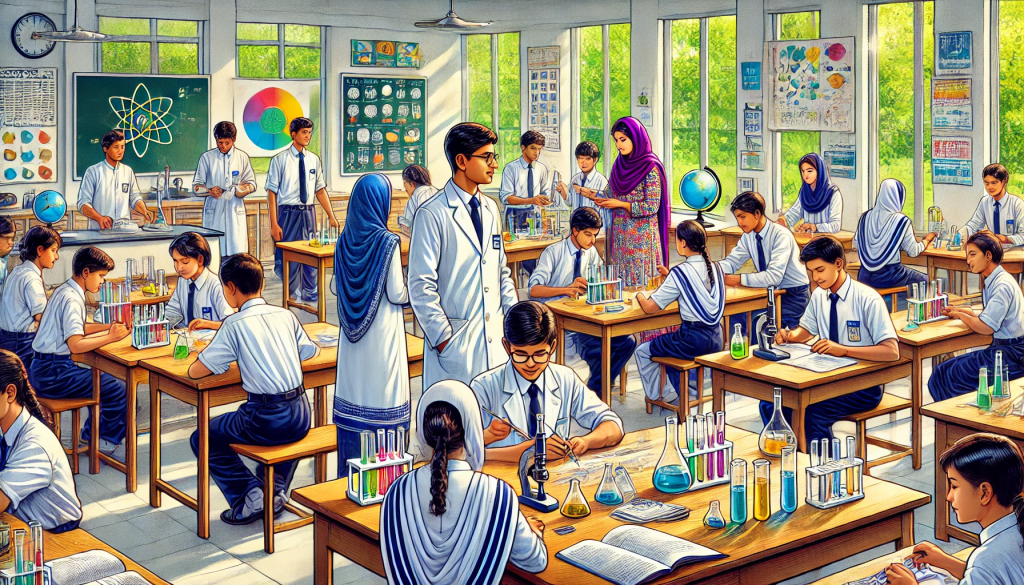
- Activity-based learning: A shift from rote memorization to a more engaging and interactive learning experience that prioritizes understanding and application of knowledge.
- Focus on life skills: Developing important skills like communication, collaboration, teamwork, and problem-solving that are not only valuable in academic pursuits but also applicable throughout life.
- Reduced content load: The streamlined curriculum aims to allow students to delve deeper into core concepts and develop a stronger foundation in essential subjects.
While these reforms represent a positive step towards quality improvement, their success hinges on effective implementation. This includes providing teachers with comprehensive training on the new curriculum and ongoing support to ensure successful integration into the classroom environment.
Towards a Brighter Educational Future: Potential Solutions
Addressing quality concerns in Secondary and Higher Secondary education requires a multi-pronged approach:
- Teacher Training: Investing in comprehensive training programs for teachers in modern pedagogical methods and curriculum implementation is paramount. This could involve workshops, seminars, and online resources that equip teachers with the necessary skills to effectively engage students and deliver quality education.
- Parental and Community Involvement: Fostering stronger partnerships between schools, parents, and communities can create a more supportive learning environment. This can be achieved through open communication channels, parent-teacher meetings, and community engagement programs that encourage active participation in a child’s education.
- Technology Integration: Leveraging technology for interactive learning experiences can be a game-changer. This could involve incorporating educational apps, digital resources like e-books, and online platforms for interactive learning activities. Additionally, technology can be used for online teacher training and professional development opportunities.
- Public-Private Partnerships: Collaboration between the government and the private sector can lead to innovative solutions. Private organizations with expertise in educational technology or curriculum development can contribute valuable resources and expertise to improve the overall quality of education.
Conclusion: Investing in Quality Education – A Collective Responsibility
The future of Bangladesh hinges on a well-educated and skilled workforce. While access to education has improved, achieving quality education for all remains a critical challenge. Addressing teacher training, curriculum relevance, and resource limitations requires a collaborative effort from the government, educational institutions, teachers, parents, and the community at large. By prioritizing quality education, we can unlock the true potential of our future generations and empower them to contribute meaningfully to Bangladesh’s social and economic development. This investment in quality education will not only empower individuals but also propel Bangladesh towards a brighter and more prosperous future.
Call to Action: The conversation on improving the quality of education in Bangladesh needs to continue. We encourage you to share your thoughts and suggestions in the comments below. What are your perspectives on the current state of education? Do you have any ideas for potential solutions or areas that require further focus? Let’s work together to build a brighter educational future for our nation. By sharing our ideas and collaborating, we can ensure that every child in Bangladesh receives a quality education that equips them with the skills and knowledge needed to succeed in the 21st century.



 LK INNOVATE
Leave a comment