By Dr Lokman Khan
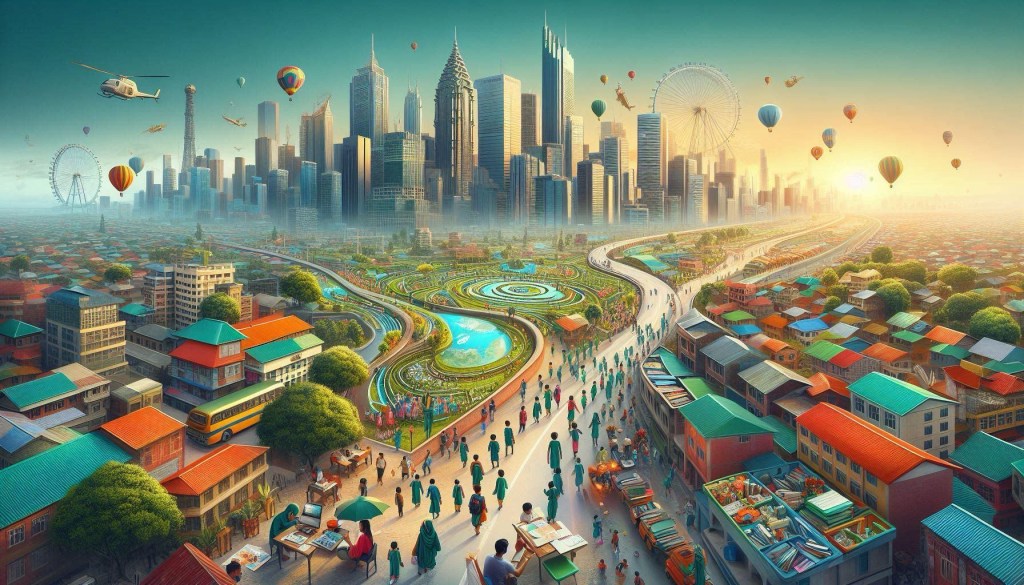
Are our students prepared for the evolving job market and future challenges? This blog dives into the current Bangladeshi Secondary (SSC) and Higher Secondary (HSC) curriculum, recent reforms, and the need for ongoing development to ensure our youth are future-ready.
- Introduction
- The Current State of the Secondary and Higher Secondary Curriculum
- Drawbacks of the Current Curriculum
- Positive Developments: Recent Reforms in the Bangladeshi Curriculum
- The Road Ahead: Envisioning a Future-Proof Education System
- Conclusion
Introduction
The Bangladeshi education system has undergone significant strides in recent years. However, a crucial question remains: Does the current Secondary (SSC) and Higher Secondary (HSC) curriculum adequately prepare students for the ever-changing job market and the challenges of tomorrow? This blog post delves into the current state of the curriculum, recent reforms, and the need for continuous development to create a truly future-proof educational experience for Bangladeshi youth.
The Current State of the Secondary and Higher Secondary Curriculum
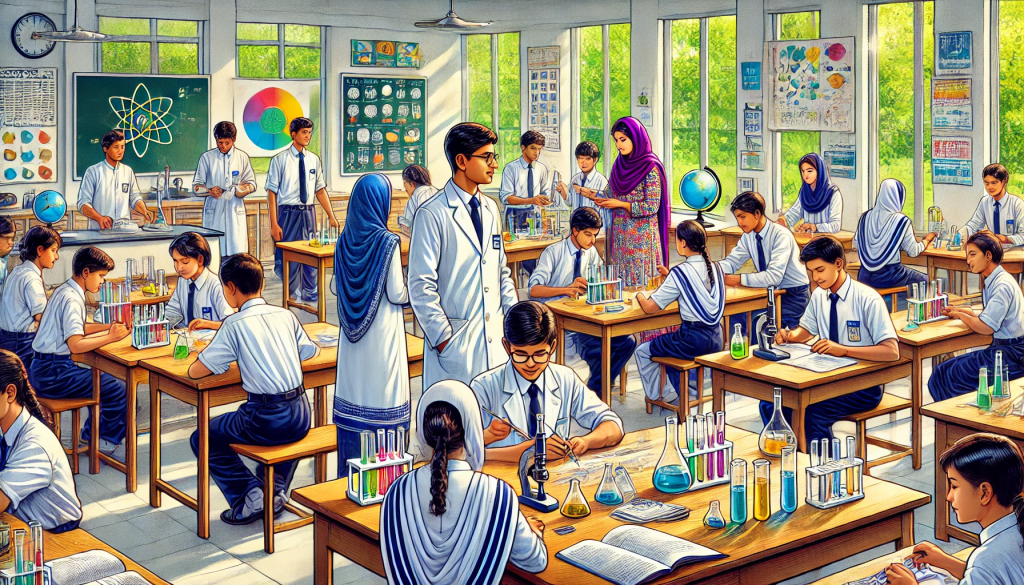
The Bangladeshi curriculum follows a standardised structure for both SSC (Secondary School Certificate) and HSC (Higher Secondary Certificate) levels. After completing eight years of primary education, students enter a five-year secondary cycle (Grades 6–10). Here, a core curriculum of Bangla, English, Mathematics, Science, Social Science, and Religion is mandatory. After Grade 8, students can choose streams focusing on Arts, Commerce, or Science for the remaining two years, leading to the SSC examination.
The Higher Secondary level (Grades 11 and 12) builds upon the chosen stream with a more specialised focus. Students take a combination of compulsory and elective subjects based on their chosen path. Upon successful completion, they receive the HSC, a vital qualification for higher education or directly entering the workforce.
Drawbacks of the Current Curriculum
While the current curriculum provides a strong foundation in core subjects, concerns exist regarding its ability to fully prepare students for the demands of the 21st century. Here are some key drawbacks:
- Limited Focus on Skill Development: The emphasis lies heavily on rote memorisation and passing exams, with less focus on developing critical thinking, problem-solving, and communication skills – all crucial for success in today’s job market.
- Lack of Flexibility: The current structure offers limited flexibility in subject choices, potentially hindering students from exploring personal interests and aptitudes.
- Outdated Content: The curriculum may not reflect the rapid advancements in science, technology, and global trends, leaving students unprepared for the evolving workplace.
- Inadequate Career Guidance: Career counseling and skill development programs are not yet fully integrated into the curriculum, making it challenging for students to navigate career paths.
Positive Developments: Recent Reforms in the Bangladeshi Curriculum
The Bangladeshi government acknowledges the need for change and has initiated positive reforms:
- Focus on Competency-Based Learning: The new curriculum, to be implemented gradually starting in 2023, emphasises “competency-based learning,” where students demonstrate actual understanding and skill application beyond rote memorization.
- Increased Life Skills Integration: The revised curriculum aims to integrate life skills such as financial literacy, digital literacy, and communication for a well-rounded education.
- Emphasis on Creativity and Innovation: The focus is shifting towards encouraging creativity, innovation, and critical thinking skills to prepare students to be lifelong learners and problem solvers.
The Road Ahead: Envisioning a Future-Proof Education System
While the recent reforms mark a positive step, ongoing development is essential. Here’s a practical roadmap for further improvement:
- Continuous Curriculum Review: Regular reviews and updates are necessary to ensure the curriculum reflects the latest advancements and job market demands.
- Incorporating Technology: Integrating technology effectively into the curriculum will equip students with digital literacy skills vital for future careers.
- Strengthening Industry Collaboration: Collaboration between educational institutions and industries can ensure graduates possess the skills employers seek.
- Enhanced Teacher Training: Providing teachers with training in new methodologies and technology integration will be crucial for effective implementation of the revised curriculum.
Conclusion
In conclusion, while the Bangladeshi education system is evolving, there is room for further improvement to ensure the curriculum equips students with the necessary skills to navigate the complexities of the future. Embracing continuous curriculum development, integrating life skills, and fostering innovation will be key to creating a truly future-proof education system for Bangladeshi youth.
Call to Action: What are your thoughts on the current curriculum and its effectiveness? Share your ideas in the comments section below. Let’s continue this important conversation on shaping the future of education in Bangladesh.

 LK INNOVATE
Leave a comment