
By Dr Lokman Khan
In today’s interconnected world, a high school diploma is no longer a guaranteed passport to success. Bangladeshi students, just like their peers across the globe, aspire to attend world-class universities and pursue international careers. This necessitates a curriculum that equips them with the skills and knowledge demanded by a globalised job market. This article explores the potential benefits and challenges of aligning Bangladesh’s Higher Secondary Certificate (HSC) with international standards, particularly focusing on the A-Level curriculum prevalent in England and many other countries.
- The Current Landscape: A Focus on Rote Learning vs. Critical Thinking
- Potential Benefits and Considerations: A Balanced Approach
- Stakeholder Perspectives: Working Together for a Brighter Future
- Bridging the Gap: A Step-by-Step Approach
- Building a Brighter Future for Bangladeshi Youth
- Potential Concerns and Mitigating Strategies
- Conclusion: A Call to Action
The Current Landscape: A Focus on Rote Learning vs. Critical Thinking
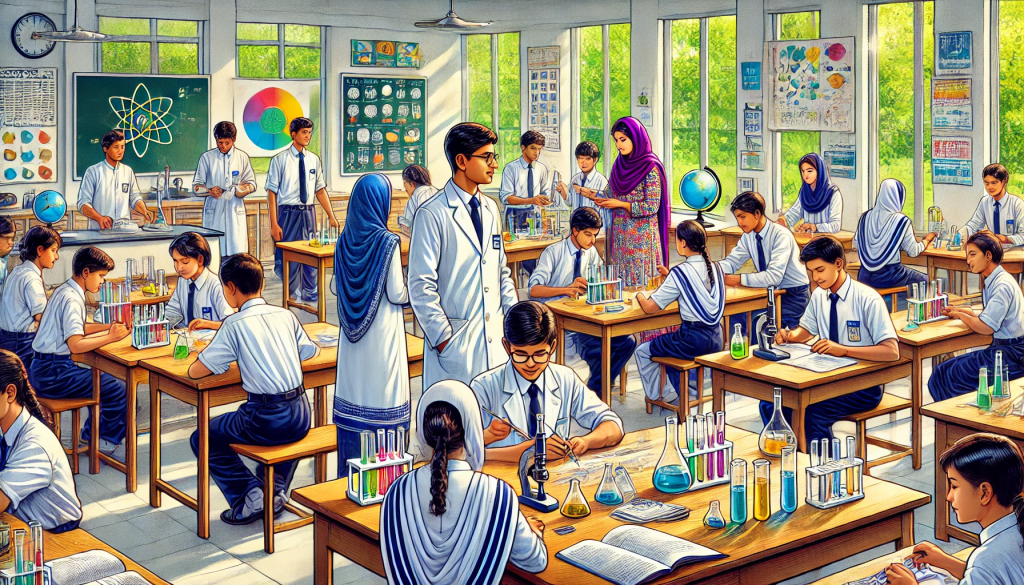
The Higher Secondary Certificate (HSC) examination, administered by education boards under the Ministry of Education, serves as a crucial stepping stone for higher education in Bangladesh. However, questions have been raised regarding the international compatibility of the current HSC curriculum, which some argue places a heavy emphasis on rote learning and standardized testing. While rote memorization has its place in education, fostering critical thinking, problem-solving skills, and independent learning are equally, if not more, important in preparing students for success in a rapidly evolving world.
The A-Level curriculum, a widely recognised qualification system prevalent in England and many Commonwealth nations, offers a potential solution. This curriculum prioritises critical thinking, problem-solving skills, and independent learning – all highly sought after by universities abroad. By aligning the HSC curriculum more closely with the A-Level framework, Bangladeshi students could gain a significant advantage in the increasingly competitive landscape of international education.
Potential Benefits and Considerations: A Balanced Approach
Aligning the HSC curriculum with international standards presents a multitude of potential benefits. Increased access to prestigious universities worldwide for Bangladeshi students is a key advantage. Recognition of Bangladesh’s national education system on the global stage would be a source of national pride and could potentially attract foreign investment in the education sector. Additionally, graduates with qualifications recognised internationally would be better positioned for success in the global job market.
However, significant challenges also need to be considered. Ensuring a standardised quality of HSC education across the entire country, particularly in rural areas, would be crucial. Potential curriculum misalignments could disadvantage some graduates, especially those who may have excelled under the current system. Addressing these challenges requires a well-planned and collaborative approach.
Stakeholder Perspectives: Working Together for a Brighter Future
The potential benefits of aligning the HSC curriculum with international standards extend to all stakeholders in the Bangladeshi education sector.
- Students: A wider range of academic opportunities and brighter career prospects would be a significant benefit for Bangladeshi students. Exposure to a curriculum that emphasizes critical thinking and independent learning would prepare them not only for university studies but also for lifelong learning in a dynamic world.
- Educators: A curriculum shift would necessitate professional development programs for educators to ensure they are equipped to effectively teach the revised curriculum. These programs could provide valuable opportunities for professional growth and skill development.
- Policymakers: Striking a balance between adopting international standards and preserving the strengths of the national curriculum is a key challenge for policymakers. They would need to carefully consider resource allocation to ensure a smooth transition and effective implementation of any reforms.
- Universities: Both Bangladeshi and international universities would benefit from clear guidelines regarding equivalency between HSC qualifications and A-Levels. This would streamline the admissions process and ensure students from Bangladesh are well-prepared for the rigors of university studies.
Bridging the Gap: A Step-by-Step Approach
Aligning the HSC curriculum with international standards requires a collaborative effort from all stakeholders. Here’s a potential roadmap for a successful transition:
- Gradual Introduction: A piecemeal approach, gradually introducing A-Level style content and assessments into the HSC curriculum over a set period, would allow for smoother adaptation for students, educators, and the education system as a whole.
- Curriculum Collaboration: Establishing strong collaboration between Bangladeshi curriculum developers and A-Level awarding bodies would be essential. This would ensure a well-aligned curriculum that reflects the strengths of both systems.
- Teacher Training: Investing in comprehensive teacher training programs focused on A-Level teaching methodologies would be crucial. Collaboration between Bangladeshi educators and experienced A-Level teachers from abroad could further enhance these programs.
- Formal Recognition Agreements: Establishing formal recognition agreements between Bangladeshi education boards and A-Level awarding bodies would provide much-needed clarity and transparency for students and universities alike.
- Clear Communication Channels: Maintaining open communication channels regarding admission requirements and qualification equivalencies would be essential for a smooth transition. This would alleviate concerns and ensure a streamlined application process for Bangladeshi students seeking admission to international universities.
Building a Brighter Future for Bangladeshi Youth
Aligning the HSC curriculum with international standards presents a significant opportunity to empower Bangladeshi youth. While challenges exist, a collaborative and well-planned approach can pave the way for a more harmonized and internationally recognized education system in Bangladesh. This, in turn, can empower Bangladeshi youth to pursue their academic aspirations on a global stage and contribute meaningfully to the international workforce.
Potential Concerns and Mitigating Strategies
The issue of cost: Concerns regarding the potential increase in costs associated with aligning the HSC curriculum with international standards are valid. However, these costs can be mitigated through strategic resource allocation, exploring public-private partnerships, and potentially seeking international aid for curriculum development and teacher training programs.
Equity and accessibility: Ensuring equitable access to quality education across all socioeconomic backgrounds in Bangladesh is crucial. Strategies such as targeted scholarships, need-based financial aid programs, and investing in educational infrastructure in rural areas can help bridge the equity gap.
Teacher workload: A potential increase in teacher workload due to curriculum changes and professional development needs must be addressed. Providing adequate support systems, such as reducing class sizes and offering flexible learning schedules, can help alleviate this concern.
Social and cultural considerations: The importance of preserving Bangladeshi culture and social values within the education system cannot be overstated. The revised curriculum should be designed to foster national pride while also preparing students for success in a globalized world. This can be achieved by incorporating elements of Bangladeshi history, literature, and social values into the curriculum alongside internationally recognised standards.
Conclusion: A Call to Action
Aligning the HSC curriculum with international standards is not a quick fix, but a long-term investment in the future of Bangladesh. It presents an opportunity to empower Bangladeshi youth with the skills and knowledge they need to thrive in a competitive global landscape. By working together, stakeholders within the education sector can overcome challenges and ensure a smooth transition. We encourage the Ministry of Education, educators, curriculum developers, policymakers, and universities to engage in open dialogue and explore the possibilities outlined in this article. By combining local strengths with international best practices, we can unlock a brighter future for Bangladeshi students and the nation as a whole.
———
Dr Lokman Khan is a scientist and educator who bridges the gap between scientific discovery and educational practice, promoting scientific awareness who can be reached at Contact Page of this site or email.

 LK INNOVATE
Leave a comment