By Dr Lokman Khan
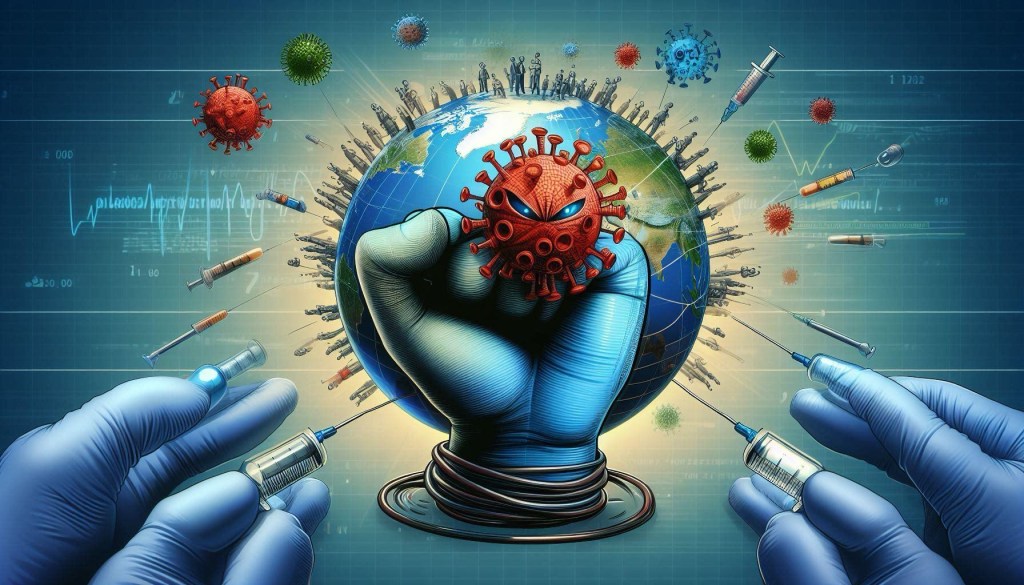
Misinformation and disinformation are posing a significant threat to global health efforts. This blog post explores the pervasiveness of these issues, the deceptive nature of disinformation, and the amplifying role of Artificial Intelligence. It delves into the societal impact on trust and collaboration within the global health sector. Finally, it offers actionable steps for stakeholders to combat misinformation and disinformation.
- Introduction: Navigating the Minefield of Misinformation and Disinformation in Global Health
- Understanding the Nuances: Misinformation vs. Disinformation
- The Amplifying Power of Artificial Intelligence
- Societal Impact: Widening Divides and Eroding Trust
- Taking Action: Countering Misinformation and Disinformation in Global Health
- Conclusion: A Collective Effort for a Healthier Future
Introduction: Navigating the Minefield of Misinformation and Disinformation in Global Health
The global health landscape thrives on open communication and collaboration. Sharing accurate information is paramount to tackling public health challenges, developing effective interventions, and fostering trust in healthcare systems. However, the rise of misinformation and disinformation threatens to disrupt this critical exchange.
This blog post examines the concerning prevalence of misinformation and disinformation, as highlighted by the World Economic Forum’s 2024 Global Risks Report, which identifies it as the biggest short-term threat. We will explore the distinction between misinformation and disinformation, the role of Artificial Intelligence (AI) in amplifying false narratives, and the detrimental societal impact on global health initiatives. Finally, we will offer actionable steps for stakeholders to mitigate this growing challenge.
Understanding the Nuances: Misinformation vs. Disinformation
While both misinformation and disinformation involve the spread of inaccurate information, a key distinction lies in intent. Misinformation is often unintentional, spread by individuals unaware of the information’s falsity. It can stem from a lack of critical thinking, confirmation bias, or simply sharing something they believe to be true without verifying its source.
Disinformation, on the other hand, is deliberate deception. It is the creation and dissemination of false or misleading information with the specific aim to mislead or manipulate an audience. This malicious intent can stem from various motives, such as political agendas, financial gain, or eroding public trust in institutions.
The Amplifying Power of Artificial Intelligence
The rise of AI presents a double-edged sword for global health. On the one hand, AI can be a powerful tool for analyzing vast datasets, identifying disease outbreaks, and developing targeted interventions. On the other hand, AI can be misused to create highly convincing but entirely fabricated content, often referred to as “deepfakes.” These deepfakes can be used to spread disinformation campaigns with unprecedented realism, further blurring the lines between truth and fiction.
For instance, AI-generated videos purporting to show false medical claims about vaccines or treatments could erode public trust in vital healthcare initiatives.
Societal Impact: Widening Divides and Eroding Trust
The spread of misinformation and disinformation has a profound impact on global health efforts. It can sow doubt and fear in communities, leading to vaccine hesitancy, resistance to public health measures, and ultimately, a decline in overall health outcomes.
Furthermore, it can exacerbate societal and political divisions. When individuals encounter conflicting narratives online, they tend to gravitate towards information that reinforces their existing beliefs, creating echo chambers. This can lead to a breakdown in communication, hinder collaboration on global health initiatives, and erode public trust in institutions.
Taking Action: Countering Misinformation and Disinformation in Global Health
Combating misinformation and disinformation requires a multi-pronged approach. Here are some key steps stakeholders in the global health sector can take:
- Promoting Media Literacy: Empowering individuals with critical thinking skills and source evaluation techniques is crucial. Global health stakeholders can develop educational resources and campaigns to equip communities with the tools to discern fact from fiction online.
- Investing in Fact-Checking: Supporting independent fact-checking organizations allows for swift and accurate debunking of misinformation and disinformation campaigns. This ensures that accurate health information reaches the public.
- Transparency and Open Communication: Global health organizations and institutions must prioritize transparency and open communication. By proactively disseminating clear, evidence-based information and addressing public concerns directly, they can build trust and counter misinformation narratives.
- Leveraging Technology for Good: Social media platforms and tech companies can play a vital role in combating misinformation. Implementing robust content moderation policies, promoting algorithmic transparency, and collaborating with health organizations can stem the tide of false information online.
Conclusion: A Collective Effort for a Healthier Future
Misinformation and disinformation pose a significant challenge to global health efforts. However, by working together, global health stakeholders, educators, and technology companies can mitigate this threat. By prioritizing media literacy, promoting independent fact-checking, fostering open communication, and leveraging technology responsibly, we can build a more informed and resilient global health landscape.
Call to Action
Join the conversation! How can we, as a global health community, better address the challenges of misinformation and disinformation? Share your thoughts and suggestions in the comments below. Let’s work together to promote accurate health information for a healthier future.


 LK INNOVATE
Leave a comment