By Dr Lokman Khan
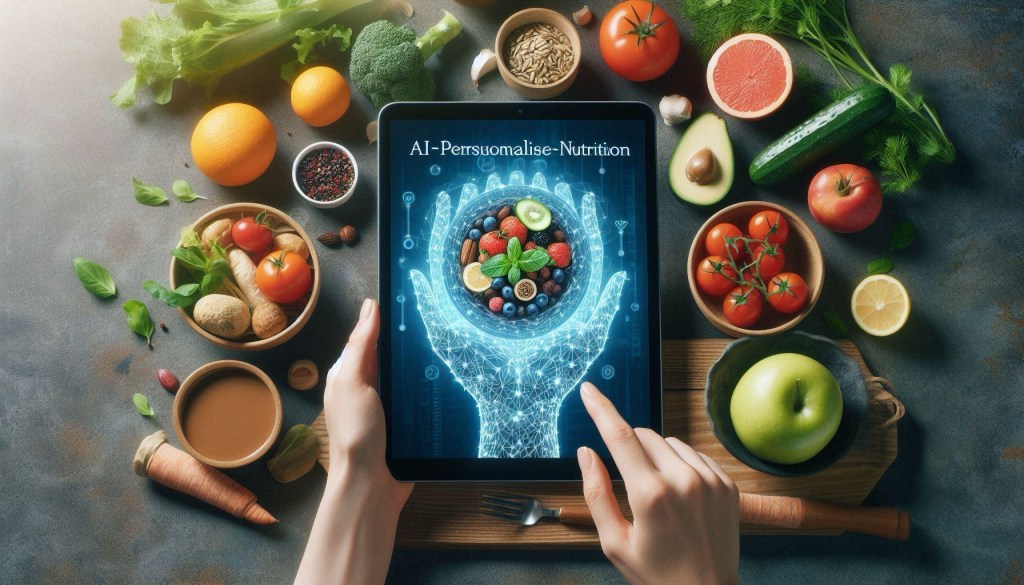
Unlocking the potential of Artificial Intelligence (AI) in personalised nutrition assessment offers a revolutionary approach to global health. This blog explores how AI can guide individuals towards sustainable, accessible diets that meet their unique needs, empowering a healthier future for all.
- Introduction
- Personalised Nutrition: A Data-Driven Revolution
- Accessibility: Reaching a Global Audience
- Sustainability: Nourishing People and Planet
- Educate and Engage: Empowering Users
- Mobile-Based Nutrition Determination: Convenience in Your Pocket
- Conclusion: A Transformative Future for Global Health
Introduction
The landscape of global health is undergoing a significant transformation. Chronic diet-related diseases like obesity and diabetes are on the rise, impacting individuals and healthcare systems worldwide. AI-driven personalised nutrition presents a groundbreaking solution, offering a data-driven approach to guide individuals towards healthier dietary choices. This blog delves into the transformative potential of AI in nutrition, focusing on its ability to deliver personalised, accessible, and sustainable dietary plans for a healthier world.
Personalised Nutrition: A Data-Driven Revolution
Traditional dietary advice often adopts a “one-size-fits-all” approach. However, individual needs vary significantly based on factors like genetics, metabolic rate, activity level, and food preferences. AI-powered personalized nutrition platforms leverage this information, creating a holistic understanding of an individual’s nutritional requirements. Through user-friendly interfaces and questionnaires, these platforms gather data on:
- Dietary Habits: Users can track their food intake, logging meals and snacks.
- Health Information: Existing health conditions, allergies, and medications can be incorporated.
- Lifestyle Factors: Activity levels, sleep patterns, and stress levels all contribute to nutritional needs.
- Genetic Predispositions: Understanding genetic variations can help identify specific dietary needs.
By analysing this comprehensive data set, AI algorithms can generate personalised recommendations. These recommendations may include:
- Meal Plans: Tailored meal plans consider individual preferences, cultural considerations, and budgetary constraints.
- Nutritional Deficiencies: Identifying and addressing potential vitamin and mineral deficiencies to optimize health.
- Portion Control Guidance: AI can suggest appropriate portion sizes to meet individual calorie goals.
Accessibility: Reaching a Global Audience
One of the most significant advantages of AI-powered personalised nutrition is its potential to reach a global audience.
- Multilingual Support: AI platforms can be designed with multilingual capabilities, ensuring accessibility for diverse populations around the world.
- Culturally-Sensitive Recommendations: Dietary recommendations can be tailored to accommodate cultural preferences and religious dietary restrictions.
- Cost-Effectiveness: AI-powered platforms offer a scalable solution compared to traditional personalised consultations with nutritionists. This potentially increases access to personalized nutrition guidance for low-income individuals and geographically remote communities.
Sustainability: Nourishing People and Planet
Beyond individual health benefits, AI-powered personalised nutrition can contribute to a more sustainable food system:
- Reduced Food Waste: By optimising dietary recommendations and promoting mindful consumption, AI can help minimise food waste at the individual level.
- Dietary Shift: Personalised plans can encourage a shift towards more sustainable food choices, such as promoting plant-based protein sources and locally-sourced produce.
- Environmental Impact Reduction: Sustainable dietary choices can lower the overall environmental footprint associated with food production and transportation.
However, it is crucial to acknowledge potential limitations.
- Data Privacy Concerns: Ensuring user data privacy and security is paramount. Platforms should be transparent about data collection and usage practices.
- Algorithmic Bias: It is essential to mitigate potential bias within AI algorithms to ensure recommendations are truly personalized and representative of diverse populations.
Educate and Engage: Empowering Users
The success of AI-powered personalised nutrition relies on user education and engagement. Platforms should incorporate educational modules to:
- Explain the Science: Provide users with a clear understanding of the science behind the recommendations.
- Promote Healthy Habits: Offer tips for developing sustainable healthy eating habits.
- Empower Informed Choices: Encourage users to make informed dietary decisions based on their unique needs and preferences.
Mobile-Based Nutrition Determination: Convenience in Your Pocket
The integration of AI-powered personalised nutrition with mobile technology fosters even greater accessibility and convenience. Mobile apps allow users to:
- Track Dietary Intake: Easily log meals and snacks on the go.
- Monitor Progress: Track progress towards health goals and receive feedback.
- Connect with Specialists: Offer the possibility to connect with registered dietitians or other healthcare professionals for further guidance.
Conclusion: A Transformative Future for Global Health
AI-powered personalised nutrition offers a transformative vision for the future of global health. By delivering personalised, culturally-sensitive, and sustainable dietary plans, AI has the potential to empower individuals to make informed choices that contribute to their well-being and the health of the planet. As research and development in this field continue, AI-powered personalised nutrition has the potential to revolutionise not only individual dietary choices but also inform broader public health initiatives and shape the future of sustainable food production on a global scale. Imagine a future where AI can analyse vast datasets on food production, environmental impact, and individual needs to create recommendations that minimise food waste, promote regionally sourced ingredients, and optimise nutrition for entire communities. This future holds immense promise for a healthier population and a more sustainable food system for generations to come.
Explore the emerging field of AI-powered nutrition. Together, let’s leverage the power of AI to revolutionise global health and cultivate a future where personalised nutrition empowers individuals to thrive, promotes planetary well-being, and fosters a more equitable approach to food security for all.




 LK INNOVATE
Leave a comment