

Dr Lokman Khan
Unleashing the potential of personalised nutrition! This blog explores how colorimetry and other spectroscopic techniques, integrated with mobile devices, can revolutionise dietary assessment and deficiency detection for global health stakeholders.
Table of Contents
- Excerpt
- Introduction: Optimising Nutrition for a Healthier World
- Individual Dietary Requirements and Preferences
- Basic Chemistry of Food Nutrients
- Basic Principles of Colorimetry
- Use of Colorimetry or Other Spectroscopic Techniques for Detecting Food Nutrients in the Human Body
- Incorporating Colorimetry into Mobile Devices to Detect Deficiency or Excess Nutrients in the Human Body Based on Recommended Amounts
- Examples of how mobile spectroscopy could be used to address different types of nutritional deficiencies
- Challenges and Considerations
- Ethical Considerations: Data Ownership, Privacy, and Potential Biases
- The Future of Personalised Nutrition with Mobile Spectroscopy
- Ongoing Research Efforts: Fuelling the Future of Mobile Spectroscopy in Personalised Nutrition
- Conclusion
- Call to Action
Introduction: Optimising Nutrition for a Healthier World
The cornerstone of global health hinges on fostering optimal nutrition for individuals and communities. However, traditional dietary assessment methods often lack precision and personalisation. This blog delves into the exciting frontier of personalised nutrition, where cutting-edge technologies like colorimetry and mobile spectroscopy hold immense promise for revolutionising how we approach individual dietary needs and preferences.
Individual Dietary Requirements and Preferences
A personalised approach to nutrition acknowledges the unique dietary needs and preferences of each individual. Factors like age, gender, ethnicity, health conditions, allergies, and cultural practices all influence dietary requirements.
- Age-Specific Needs: Children have distinct nutritional needs compared to adults, requiring a focus on essential vitamins and minerals for growth and development. Older adults may benefit from dietary adjustments to support bone health and cognitive function.
- Gender Considerations: Men and women often have varying needs for iron, calcium, and other nutrients based on biological differences.
- Ethnicity and Culture: Dietary preferences are deeply intertwined with cultural practices. A personalised approach acknowledges these variations to promote culturally appropriate nutritional guidance.
- Health Conditions and Allergies: Certain health conditions necessitate specific dietary modifications. Similarly, food allergies and intolerances must be considered for safe and effective nutritional plans.
Basic Chemistry of Food Nutrients
Understanding the fundamental chemistry of food provides a foundation for appreciating how colorimetry and spectroscopy can analyse nutrient content. Our food consists of various macromolecules, including carbohydrates, proteins, fats, vitamins, and minerals.
- Carbohydrates: The primary source of energy for our bodies, carbohydrates come in simple and complex forms. Simple carbohydrates, like sugars, provide readily available energy, while complex carbohydrates, like fiber, offer sustained energy and digestive benefits.
- Proteins: Essential building blocks for our tissues and cells, proteins are composed of amino acids. A balanced diet should incorporate a variety of protein sources to ensure we obtain all essential amino acids.
- Fats: While often demonised, healthy fats play a crucial role in hormone production, cell function, and nutrient absorption. Differentiating between saturated and unsaturated fats is essential for a balanced diet.
- Vitamins and Minerals: These micronutrients act as catalysts in various biological processes. Vitamins are organic molecules required in small amounts, while minerals are inorganic elements needed for maintaining bodily functions.
Basic Principles of Colorimetry
Colorimetry is a technique that quantifies the concentration of a colored compound based on its light absorption properties. Each molecule absorbs specific wavelengths of light, resulting in its unique color. A colorimeter measures the amount of light absorbed at a particular wavelength by a solution containing the compound of interest.
- Light Interaction with Matter: When light interacts with matter, it can be absorbed, reflected, or transmitted. Colorimetry focuses on the absorption phenomenon.
- The Beer-Lambert Law: This fundamental law governs the relationship between light absorption, concentration, and path length. It allows us to calculate the concentration of a coloured compound based on the amount of light absorbed at a specific wavelength.
Use of Colorimetry or Other Spectroscopic Techniques for Detecting Food Nutrients in the Human Body
Colorimetry and other spectroscopic techniques, like spectroscopy (Raman or infrared), offer a non-invasive approach to analysing nutrient content in various contexts.
- Food Analysis: These techniques can be employed to measure the levels of vitamins, minerals, and other components in food samples, ensuring quality control and accurate labeling.
- Nutrient Detection in Biofluids: Spectroscopy can analyse blood, urine, or saliva samples to indirectly assess nutrient levels in the body. For instance, measuring hemoglobin concentration in blood can indicate potential iron deficiency.
Incorporating Colorimetry into Mobile Devices to Detect Deficiency or Excess Nutrients in the Human Body Based on Recommended Amounts
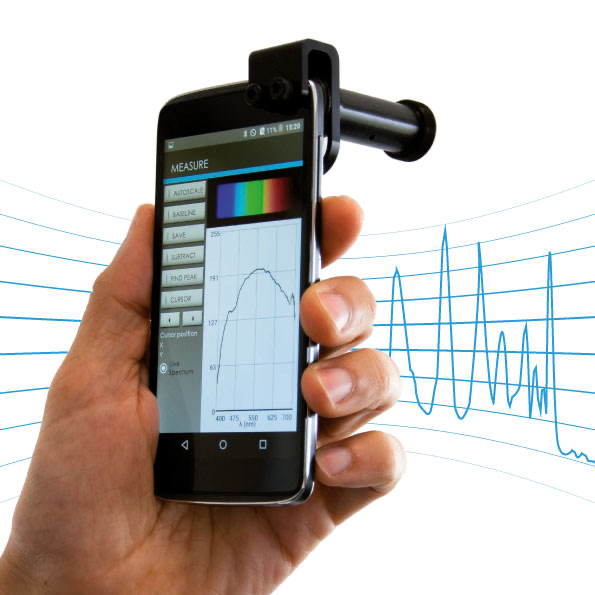
The integration of colorimetry and spectroscopy into mobile devices presents a transformative opportunity for personalised nutrition. Imagine a future where individuals can use a handheld device to analyse their dietary intake or even perform basic biofluid tests to gain insights into their nutrient status.
- Portable Spectrometers: Miniaturised spectrometers are becoming increasingly feasible, paving the way for their incorporation into smartphones or specialised devices.
- Dietary Assessment Apps: Mobile apps linked to colorimetric sensors could enable users to scan their food and receive information about its nutritional content. This empowers individuals to make informed dietary choices.
- Biometric Nutrient Monitoring: Non-invasive tests utilising colorimetry or other spectroscopic techniques could be developed for mobile devices to provide users with real-time feedback on potential nutrient deficiencies or excesses.
Examples of how mobile spectroscopy could be used to address different types of nutritional deficiencies
The potential applications of mobile spectroscopy in tackling various nutritional deficiencies are vast. Here are some specific examples that illustrate its transformative power:
Iron Deficiency: Iron deficiency anemia is a global health concern, particularly prevalent in pregnant women and children. Mobile spectroscopy could play a crucial role in early detection and management.
Blood Spot Analysis: A finger prick test could be used to collect a small blood sample. The mobile device, equipped with a miniaturised spectrometer, could analyse the sample for haemoglobin concentration, a key indicator of iron status. Early detection would enable timely interventions like iron supplementation to prevent complications.
Vitamin A Deficiency: Vitamin A deficiency is a significant public health issue in developing countries, leading to blindness and impaired immunity in children. Mobile spectroscopy offers a potential solution.
Non-invasive Tear Analysis: A specialized attachment for the mobile device could analyse tears for specific biomarkers linked to vitamin A deficiency. This painless approach could be particularly beneficial for children, facilitating screening and early intervention programs.
Protein Deficiency: Protein deficiency can lead to stunted growth, weakened immunity, and muscle wasting. Mobile spectroscopy can contribute to protein status assessment.
Dietary Protein Analysis: Users could scan their food using the mobile device to estimate protein content. The app linked to the spectrometer could provide information on the quality and quantity of protein based on spectral data. This empowers individuals to make informed choices to meet their protein requirements.
Micronutrient Deficiencies in Multiple Deficiencies: Often, individuals suffer from deficiencies in multiple micronutrients. Mobile spectroscopy offers a comprehensive approach.
Multi-Analyte Biofluid Testing: Advanced mobile spectroscopy devices could be designed to analyse saliva or urine samples for a wider range of micronutrients. This broader assessment provides valuable insights into an individual’s overall nutritional status, enabling healthcare professionals to recommend targeted interventions.
These are just a few examples, and the possibilities extend further. As research progresses, mobile spectroscopy could be used to detect deficiencies in other essential nutrients, such as calcium, zinc, and iodine. This comprehensive approach empowers individuals and healthcare professionals to identify and address nutritional deficiencies effectively, promoting better health outcomes.
Challenges and Considerations
While the potential of mobile spectroscopy for personalised nutrition is undeniable, several challenges and considerations necessitate exploration:
- Accuracy and Specificity: Miniaturised spectrometers may face limitations in sensitivity and specificity compared to laboratory-grade instruments. Further research is needed to ensure the accuracy of nutrient detection in mobile devices.
- Data Interpretation and User Education: The data generated by mobile spectroscopy applications requires clear interpretation and user education. Individuals need guidance on understanding the results and translating them into actionable dietary modifications in consultation with healthcare professionals.
- Calibration and Maintenance: Portable spectrometers may require regular calibration to maintain accuracy. User-friendly calibration procedures and device maintenance protocols will be crucial for reliable data collection.
- Privacy and Data Security: As mobile spectroscopy delves into biofluids, robust data security measures are essential to protect user privacy. Clear data ownership and usage policies need to be established.
- Regulatory Landscape: Regulatory frameworks for mobile spectroscopy applications in healthcare are still evolving. Collaboration between government agencies, technology developers, and healthcare professionals is necessary to establish clear guidelines and ensure responsible implementation.
Ethical Considerations: Data Ownership, Privacy, and Potential Biases
While the potential of mobile spectroscopy for personalised nutrition is undeniable, ethical considerations surrounding data ownership, privacy, and potential biases require careful attention.
Data Ownership and User Privacy:
- Who Owns the Data? The data generated by mobile spectroscopy applications, potentially including biofluid analysis results, raises questions about ownership. Users should have clear control over their data and decide whether to share it with healthcare providers, researchers, or third parties. Transparent consent mechanisms must be implemented to ensure user autonomy.
- Data Security and Privacy Breaches: Robust data security measures are paramount. Encryption and anonymisation techniques should be employed to safeguard user privacy. Potential vulnerabilities in mobile devices and data transmission protocols need to be addressed to prevent unauthorised access or breaches.
- Data Sharing and Informed Consent: Clear guidelines regarding data sharing practices are crucial. Users deserve to understand how their data is used, with whom it is shared, and for what purposes. Informed consent should be obtained before sharing data for research or commercial purposes.
Potential Biases in Mobile Spectroscopy Applications
- Algorithmic Bias: The algorithms used to interpret data from mobile spectrometers could harbor biases. These biases may stem from training data sets that lack diversity or may reflect inherent biases in the design of the algorithms themselves. Mitigating algorithmic bias requires diverse training data sets and ongoing monitoring of the algorithms to ensure unbiased results.
- Socioeconomic Disparities: Access to mobile spectroscopy technology and the expertise to interpret its results could exacerbate existing socioeconomic disparities in healthcare. Affordable and user-friendly technology alongside educational resources are vital for equitable access and utilization.
- Nutritional Context and Cultural Nuances: Mobile spectroscopy results require interpretation within the context of an individual’s overall diet and cultural background. Dietary practices vary significantly across cultures, and the app should account for these variations. Additionally, dietary intake data from mobile applications may not always be entirely accurate, necessitating a holistic approach that considers user input and consultations with healthcare professionals.
Addressing these ethical considerations is crucial for building trust and ensuring responsible implementation of mobile spectroscopy in personalised nutrition. Collaboration between developers, policymakers, healthcare professionals, and user communities is essential to develop ethical frameworks and best practices. By prioritising user privacy, data security, and mitigating bias, mobile spectroscopy can truly empower individuals to take charge of their health and well-being.
The Future of Personalised Nutrition with Mobile Spectroscopy
Despite the challenges, the future of personalized nutrition with mobile spectroscopy is brimming with promise.
- Global Health Initiatives: Mobile spectroscopy has the potential to revolutionize dietary assessment and deficiency detection in resource-limited settings. Imagine healthcare workers in remote areas utilizing mobile devices to identify and address malnutrition efficiently.
- Empowering Individuals: By offering real-time feedback on nutrient status, mobile spectroscopy can empower individuals to take charge of their health and make informed dietary choices. This promotes preventative healthcare and fosters self-management of chronic conditions like diabetes.
- Continual Innovation: Advancements in miniaturization, data analysis algorithms, and user interface design will continue to enhance the capabilities and user-friendliness of mobile spectroscopy applications.
Ongoing Research Efforts: Fuelling the Future of Mobile Spectroscopy in Personalised Nutrition
The field of mobile spectroscopy for personalized nutrition is brimming with ongoing research efforts, continuously pushing the boundaries of what’s possible. Here’s a glimpse into some exciting areas of exploration.
Advancements in Miniaturisation and Spectroscopy Techniques: Researchers are constantly striving to miniaturize spectroscopic components for seamless integration into mobile devices. This includes exploring new materials and fabrication techniques to create compact, high-performance spectrometers suitable for smartphones or dedicated handheld devices. Additionally, research on alternative spectroscopic techniques, such as Raman spectroscopy or mid-infrared spectroscopy, is ongoing. These techniques offer potential advantages in terms of analysing a wider range of nutrients or overcoming limitations in specific contexts.
Enhanced Data Analysis Algorithms and Machine Learning: A critical aspect of mobile spectroscopy applications lies in accurately interpreting the spectral data to provide meaningful insights into nutrient content. Researchers are developing sophisticated data analysis algorithms and machine learning models for this purpose. These algorithms are being trained on vast datasets of food spectral signatures and biofluid analysis results to improve the accuracy and specificity of nutrient detection.
User Interface Design and Integration with Dietary Apps: User-friendliness is paramount for widespread adoption of mobile spectroscopy in personalised nutrition. Research is focused on developing intuitive user interfaces for mobile apps that seamlessly integrate with the spectroscopic hardware. These apps should provide clear instructions on using the device, offer easy data visualization of nutrient content, and translate the results into actionable dietary recommendations. Additionally, integration with existing dietary tracking apps could further empower users to manage their overall nutritional intake.
Clinical Validation and Integration with Healthcare Systems: Rigorous clinical validation studies are essential to establish the accuracy and reliability of mobile spectroscopy applications for real-world use. Researchers are conducting studies in controlled settings to compare the results obtained from mobile spectrometers with established laboratory analysis methods. Additionally, research is exploring how mobile spectroscopy can be effectively integrated with existing healthcare systems for seamless data sharing and personalized dietary guidance by healthcare professionals.
Addressing Ethical Concerns and Promoting Equitable Access: As discussed earlier, ethical considerations surrounding data privacy, algorithmic bias, and equitable access require ongoing attention. Researchers are exploring solutions like federated learning techniques to enable data analysis without compromising user privacy. Additionally, research on cost-effective mobile spectroscopy devices and culturally sensitive educational resources is crucial for promoting equitable access to this technology across diverse populations.
These ongoing research efforts hold immense promise for the future of mobile spectroscopy in personalized nutrition. By overcoming technical challenges, developing robust data analysis methods, and prioritising ethical considerations, we can pave the way for a future where individuals have the tools and knowledge to achieve optimal nutrition through personalised dietary guidance.
Conclusion
The convergence of mobile technology and spectroscopic techniques paves the way for a paradigm shift in personalized nutrition. By empowering individuals and global health initiatives with real-time, non-invasive dietary assessment tools, we can move towards a future where optimal nutrition becomes a reality for all.
Call to Action
Global health stakeholders, including policymakers, healthcare professionals, technology developers, and research institutions, have a vital role to play in realizing the full potential of mobile spectroscopy for personalized nutrition. By fostering collaborative efforts, we can usher in a new era of precision dietary guidance, empowering individuals and communities to thrive on a foundation of optimal nutrition.
Stay tuned for the next part of the blog, where we delve into the fascinating world of colorimetry and explore its potential in revolutionising personalised nutrition through mobile devices!



 LK INNOVATE
Leave a comment