
Dr Lokman Khan
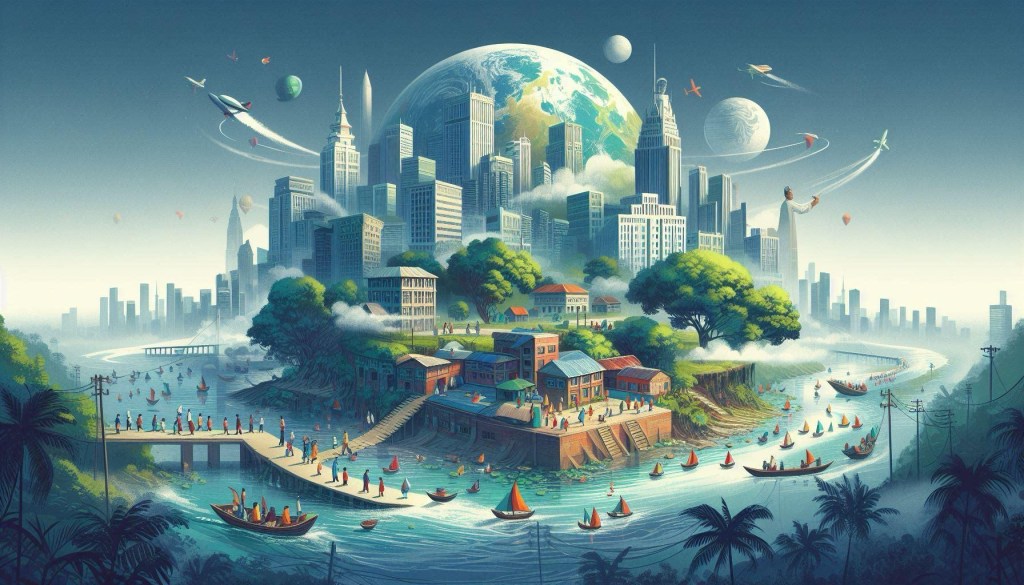
In the heart of South Asia, Bangladesh stands at the crossroads of tradition and innovation. The nation’s bold strides in educational reform reflect a commitment to harmonising global educational trends with the unique challenges of local contexts. With initiatives like the national competency-based curriculum and the Blended Education initiative, Bangladesh is reimagining its educational landscape to foster resilience, inclusivity, and quality learning for all. This transformative journey is not just about adopting new policies; it’s about cultivating a generation equipped to thrive in a rapidly evolving world.
Table of Contents
- Excerpt
- Introduction
- Global Trends in Education
- Unique Challenges in Bangladesh
- The Need for Reform
- Conclusion
- Data and Resources
Introduction
The educational landscape in Bangladesh has witnessed a remarkable transformation over the past few decades. With concerted efforts from the government and various stakeholders, the nation has achieved an impressive feat—near-universal enrollment in primary education. This milestone reflects Bangladesh’s commitment to the United Nations’ Sustainable Development Goal 4, which emphasizes inclusive and equitable quality education for all.
Yet, the journey towards educational excellence is not solely marked by enrollment numbers. The true essence of education lies in its quality and its power to adapt to the ever-changing demands of our world. As Bangladesh strides forward, it faces the dual challenge of not only maintaining access but also enhancing the educational experience for its learners. This necessitates a comprehensive reform strategy that is cognizant of the global educational trends while being deeply rooted in the local socio-cultural milieu.
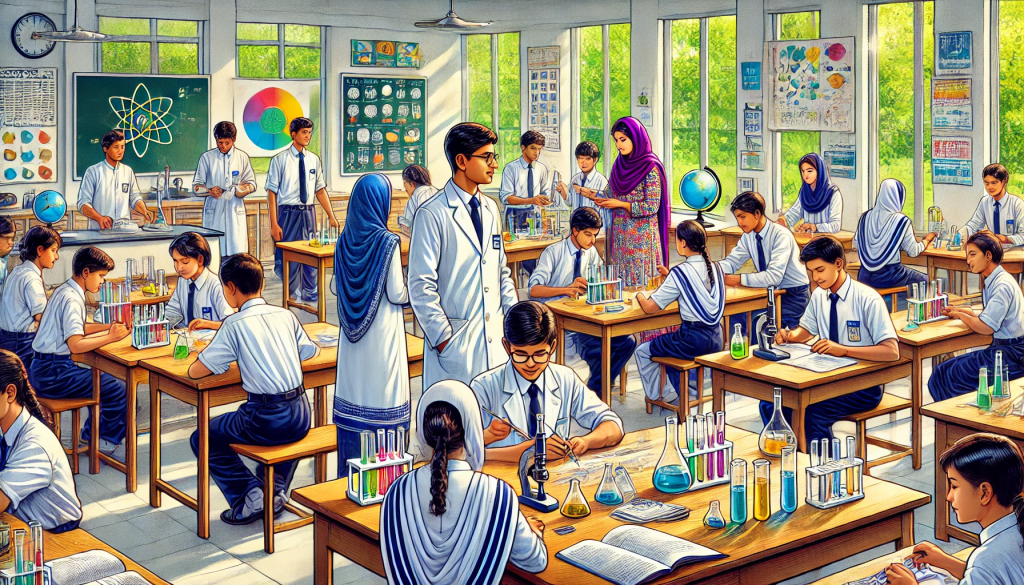
In this era of globalization, education systems around the world are undergoing rapid changes. Innovations in technology, pedagogy, and curriculum design are setting new benchmarks for what constitutes a well-rounded education. Bangladesh must, therefore, calibrate its educational reforms to align with these global trends. This includes integrating digital literacy, fostering critical thinking, and promoting a learner-centered approach within its classrooms.
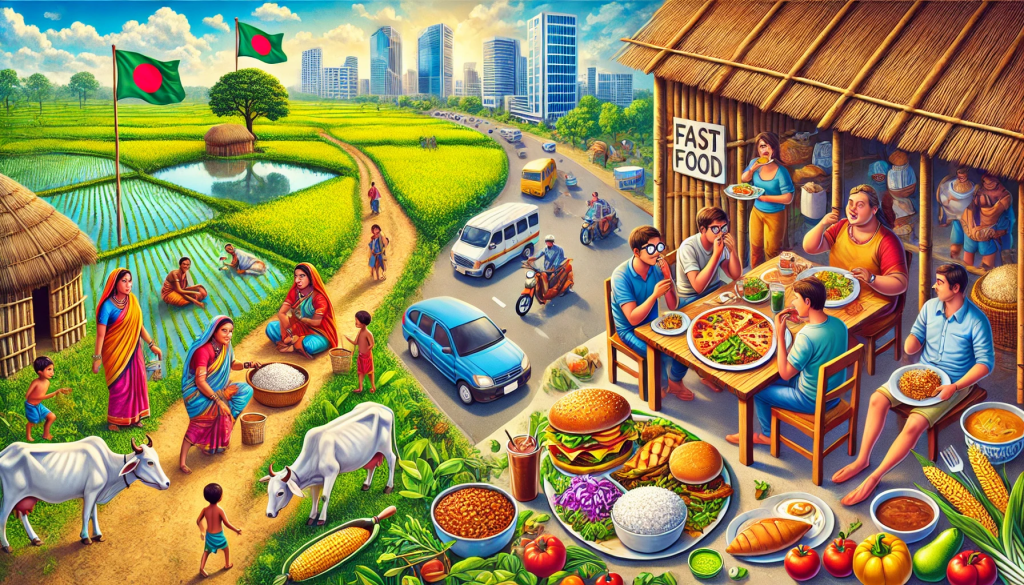
Concurrently, Bangladesh grapples with unique challenges that stem from its local context. Socio-economic disparities, infrastructural limitations, and diverse linguistic and cultural landscapes present a complex set of obstacles that must be navigated with care. The reforms must be tailored to address these issues, ensuring that the solutions are sustainable and equitable.
This article aims to shed light on the intricate balance that Bangladesh must achieve in its educational reforms. It is a balance that respects global best practices and innovation while honoring the local challenges and cultural heritage. As we delve deeper into the specifics of these reforms, it becomes clear that the path ahead, though fraught with challenges, is also brimming with opportunities for transformative change.
Global Trends in Education
The educational paradigm is shifting globally, reflecting the dynamic nature of the job market and the broader socio-economic landscape. Here’s an expanded view of the current global trends in education:
- Shift towards skills-based learning: The modern job market is increasingly valuing skills over mere theoretical knowledge. As automation and artificial intelligence reshape industries, the ability to think critically, solve complex problems, and navigate digital platforms is becoming indispensable. Education systems worldwide are responding by integrating these competencies into their curricula. This shift aims to prepare students not just for their first job, but for a future where adaptability and continuous learning are key.
- Focus on innovation and creativity: In a world where information is at everyone’s fingertips, the premium is on generating new ideas and solutions. Education systems are thus pivoting from rote learning to fostering environments where innovation and creativity flourish. Through methodologies like project-based learning, students are encouraged to explore, experiment, and express their unique perspectives. This approach nurtures the inventors and entrepreneurs of tomorrow, who will drive progress and economic growth.
- Emphasis on lifelong learning: The concept of education as a finite phase ending with formal schooling is becoming obsolete. Lifelong learning is emerging as a cornerstone of personal and professional development. Education systems are expanding their reach beyond traditional classrooms, offering online courses, professional certifications, and adult education programs. This trend acknowledges that learning is a continuous journey, vital for staying relevant and competitive in a rapidly evolving world.
These trends underscore a transformative phase in education, where the goal is not just to impart knowledge, but to cultivate a versatile and resilient global citizenry. As Bangladesh seeks to reform its educational system, these global movements offer valuable insights and a framework for developing a forward-thinking, inclusive, and sustainable educational model.
Unique Challenges in Bangladesh
The quest for educational reform in Bangladesh is not without its hurdles. The country’s education system is grappling with several entrenched challenges that impede the realization of its full potential. Here’s an expanded discussion on these critical issues:
- Rote learning vs. critical thinking: The traditional emphasis on rote memorization in Bangladesh’s education system has long been a subject of concern. This approach, while facilitating the recall of information, does not foster the analytical skills necessary for critical thinking. To cultivate a generation of problem-solvers and innovators, the education system must pivot towards pedagogies that encourage questioning, analysis, and synthesis of knowledge.
- Teacher training and quality: The cornerstone of any successful education system is its teachers. In Bangladesh, there is a pressing need to enhance the quality of teacher training and provide continuous professional development. This includes not only upgrading their content knowledge but also equipping them with modern pedagogical techniques that cater to diverse learning styles and needs.
- Equity and access: Despite strides in enrollment, significant gaps remain in the equitable distribution of quality education. Girls, students from low-income families, and those living in remote areas often have limited access to educational resources. Addressing these disparities is crucial for ensuring that every child has the opportunity to learn and grow, regardless of their background.
- Relevance to the job market: A key challenge for Bangladesh’s education system is its alignment with the evolving demands of the job market. There is a growing disconnect between the skills taught in schools and those required by employers. Bridging this gap involves updating curricula, fostering industry-academic collaboration, and emphasizing vocational and technical training to prepare students for the future workforce.
These challenges are not insurmountable, but they require a concerted effort from all stakeholders involved in the education sector. By acknowledging and addressing these issues head-on, Bangladesh can pave the way for an education system that is not only globally competitive but also inclusive and responsive to the needs of its people.
The Need for Reform
The imperative for reform in Bangladesh’s education system is clear when juxtaposed against the backdrop of global educational trends and the nation’s distinct challenges. Here’s an expanded exploration of the necessary reforms:
- Move towards a skills-based curriculum: A curriculum that prioritizes critical thinking, problem-solving, and digital literacy is essential in preparing students for the complexities of the modern world. Bangladesh must revamp its educational framework to integrate these skills at every level, from primary to higher education. This involves not just updating textbooks, but also rethinking assessment methods to evaluate students on their ability to apply knowledge in real-world scenarios.
- Promote innovation and creativity: The cultivation of innovation and creativity within students is vital for the progress of any nation. Bangladesh’s education system should foster an environment where project-based learning and inquiry-based approaches are the norm. Schools and universities should become incubators for new ideas, providing platforms for students to experiment, collaborate, and bring their innovative ideas to fruition.
- Invest in teacher training: Teachers are the agents of change in the education system. Comprehensive pre-service and in-service training programs are crucial to equip them with the latest teaching methodologies and subject-matter expertise. Bangladesh needs to invest in its educators, offering them opportunities for professional growth and development, ensuring they can inspire and guide students effectively.
- Bridge the equity gap: To ensure that every child has the opportunity to benefit from quality education, Bangladesh must address the existing disparities. This includes implementing targeted interventions such as scholarships, transportation facilities, and digital access programs. Improving infrastructure in rural and underserved areas can also help bridge the gap, making education more inclusive and accessible.
- Increase focus on lifelong learning: Recognizing that education does not end with formal schooling, Bangladesh should promote a culture of lifelong learning. This can be achieved by offering a range of adult education programs, vocational training, and professional development courses that cater to the evolving needs of the workforce. Such initiatives will empower individuals to continuously upgrade their skills and knowledge, remaining adaptable and relevant in a fast-paced world.
These reforms are not just about enhancing the education system; they are about transforming Bangladesh into a knowledge-based society where every individual has the chance to learn, grow, and contribute to the nation’s development. It’s a vision of education that extends beyond the classroom, shaping the future of the country and its place in the global community.
Conclusion
The pursuit of educational reform in Bangladesh is akin to walking a tightrope, where each step must be measured and deliberate. It is a journey that demands a harmonious blend of global educational practices with a keen sensitivity to the nation’s distinctive challenges. By embracing a curriculum that emphasizes skills-based learning, Bangladesh can equip its students with the tools necessary for success in a globalized economy.
Innovation must be nurtured as a fundamental value within the education system, encouraging students to think creatively and develop solutions to both local and global challenges. Furthermore, the commitment to equity and quality in education is paramount. It ensures that every citizen, regardless of their socio-economic background, has the opportunity to contribute meaningfully to society.
As Bangladesh stands on the cusp of these transformative educational reforms, it is poised to create an environment that not only fosters academic excellence but also cultivates a generation of leaders, thinkers, and innovators. These reforms are not just about building a robust education system; they are about laying the foundation for a resilient and prosperous Bangladesh that can hold its own in the 21st century and beyond. The vision is clear: an education system that is inclusive, adaptive, and empowering—a true beacon of hope for the future.
Data and Resources
- Government of Bangladesh: Ministry of Education website (https://moedu.gov.bd/)
- UNESCO Bangladesh: Reports and data on education in Bangladesh (https://www.unesco.org/en/countries/bd)
- World Bank: World Development Indicators – Education data for Bangladesh (https://datatopics.worldbank.org/education/country/bangladesh)

 LK INNOVATE
Leave a comment