

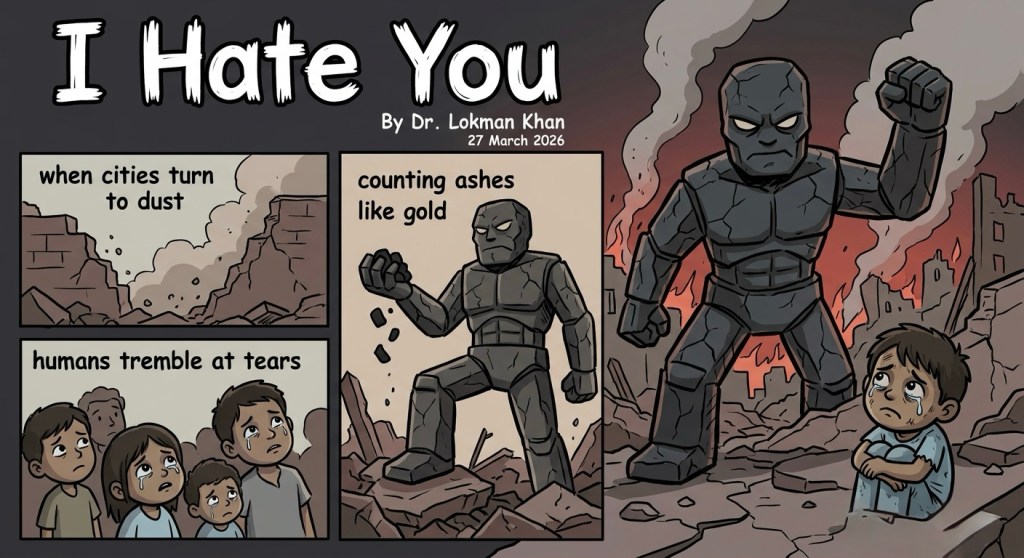
By Dr Lokman Khan, Bradford
- Introduction
- The Other Side of Domestic Violence
- Physical vs. Psychological Abuse
- The Stigma Surrounding Male Victims
- Recognising the Signs
- Conclusion
Introduction
Myth: Men cannot be victims of domestic violence.
Reality: Men can be, and are, victims of domestic violence, and they deserve the same support and resources as any other victim.
Domestic violence represents a critical and intricate social issue that affects individuals across all demographics, defying the boundaries of gender, ethnicity, and economic backgrounds. The conventional portrayal often positions men as the aggressors and women as the recipients of abuse. However, this narrative is an oversimplification of the reality of domestic violence. The truth is that domestic abuse is a pervasive problem that can affect anyone, regardless of their role in society, and manifests in various forms beyond physical violence, including emotional, psychological, and financial abuse.
The dynamics of domestic violence are complex, involving power, control, and fear, and the impacts are profound, extending beyond the immediate harm to long-term psychological and societal consequences. It is imperative to acknowledge the full scope of domestic violence to effectively address and prevent it, ensuring support systems are inclusive and responsive to all who experience abuse.
The Other Side of Domestic Violence
Domestic violence against men is a significant yet frequently overlooked issue, largely due to prevailing societal stereotypes that depict men as inherently dominant and invulnerable. These misconceptions contribute to a silence surrounding male victims of domestic abuse, who often face barriers to seeking help due to the fear of disbelief or ridicule. However, the reality is that men, like women, can be and are victims of abuse perpetrated by female partners.
The forms of abuse experienced by men are diverse and can include physical violence, which is often the most visible sign of domestic abuse. However, it is crucial to recognize that abuse extends beyond the physical realm. Emotional and psychological abuse, such as manipulation, intimidation, and constant criticism, can be equally damaging and leave deep psychological scars. Financial abuse, where the abuser exerts control over the victim’s financial resources, and sexual abuse, which includes any non-consensual sexual activity, are also prevalent forms of abuse that men may endure.
Acknowledging the existence of domestic violence against men is the first step towards addressing this issue. It is essential to create supportive environments where male victims feel safe to come forward and seek assistance. By challenging stereotypes and recognising the multifaceted nature of domestic abuse, society can move towards a more inclusive understanding of this problem and ensure that all victims receive the support and resources they need to heal and recover.
Physical vs. Psychological Abuse
Physical abuse, characterised by its visible nature, often includes acts of violence that can leave bruises, scars, or other physical injuries. It is more readily identified and condemned by society due to its tangible evidence. However, psychological abuse, while less apparent, is no less harmful. This insidious form of abuse employs tactics such as manipulation, intimidation, isolation, and control, which can systematically dismantle a person’s sense of self-worth and autonomy.
Psychological abuse is a pervasive form of violence that operates covertly. It can involve constant criticism, belittling, gaslighting, and other forms of emotional manipulation that can lead to severe anxiety, depression, and post-traumatic stress disorder. The absence of physical scars makes psychological abuse particularly challenging to recognize and address, as the damage is inflicted on the psyche and the spirit of the individual.
The effects of psychological abuse can be enduring, with victims often suffering from long-term emotional and mental health issues. It is crucial for society to acknowledge the gravity of psychological abuse and to provide support systems that recognize the signs and offer help to those affected. Understanding the equivalence of harm caused by both physical and psychological abuse is essential in fostering a comprehensive approach to combating domestic violence.
The Stigma Surrounding Male Victims
The stigma that envelops male victims of domestic violence is a formidable obstacle in their journey towards seeking justice and support. Societal constructs of masculinity promulgate a narrative that men should be stoic, resilient, and impervious to harm, which can significantly deter male victims from disclosing their experiences of domestic abuse. This pervasive stigma is a catalyst for the underreporting of such incidents, as men may fear judgment, emasculation, or disbelief.
The lack of societal support for male victims is compounded by the scarcity of resources and services tailored to their needs. The minimization of the severity of the abuse they suffer is another repercussion of this stigma, often leading to a dismissal of their experiences as less serious or less harmful than those endured by female victims. This disparity in perception can isolate male victims, leaving them to navigate the aftermath of abuse without adequate support.
It is imperative to challenge these stereotypes and foster an environment where male victims can speak openly about their experiences without fear of stigmatisation. By doing so, society can begin to extend the same level of compassion and assistance to male victims as is offered to female victims, ensuring that all individuals affected by domestic violence are heard, supported, and empowered to overcome their experiences.
Recognising the Signs
Understanding that domestic violence is a non-discriminatory issue is vital in its prevention and intervention. It is an unfortunate reality that transcends gender lines, affecting individuals of any gender identity. Recognising the signs of abuse is a critical step in combating domestic violence. These signs can be physical, such as bruises or injuries, or psychological, including changes in behavior or mood, withdrawal from social interactions, and expressions of fear or anxiety.
Providing support to victims is an essential component of effectively addressing domestic violence. This support can take many forms, from offering a listening ear to connecting individuals with professional resources and services. It is important to create a safe and non-judgmental space for victims to share their experiences and to ensure that they have access to the necessary tools to escape the cycle of abuse.
As a society, we must educate ourselves and others about the various manifestations of domestic violence and the importance of supporting all victims. By doing so, we can foster a culture that does not tolerate abuse and prioritises the safety and well-being of every individual.
Conclusion
The pervasive myth that females cannot be perpetrators of domestic violence against males is unfounded and detrimental. Domestic violence is an issue that affects humans across the spectrum, irrespective of gender. Recognising this fact is paramount to dismantling the prejudices and misconceptions that hinder progress towards equality and justice. It is imperative that we, as a society, take the necessary steps to foster an environment where every victim of abuse has the opportunity to seek assistance, free from the shackles of judgment or skepticism.
Expanding the dialogue to encompass all forms of domestic violence and enhancing support systems to cater to all victims are critical measures that need to be taken. By doing so, we can ensure that the conversation about domestic violence is inclusive and reflective of the experiences of all individuals. It is through such collective acknowledgment and action that we can hope to build a society that not only recognizes the multifaceted nature of domestic violence but also provides a safe haven for every person affected by it.


 LK INNOVATE
Leave a comment