
By Dr Lokman Khan, Bradford
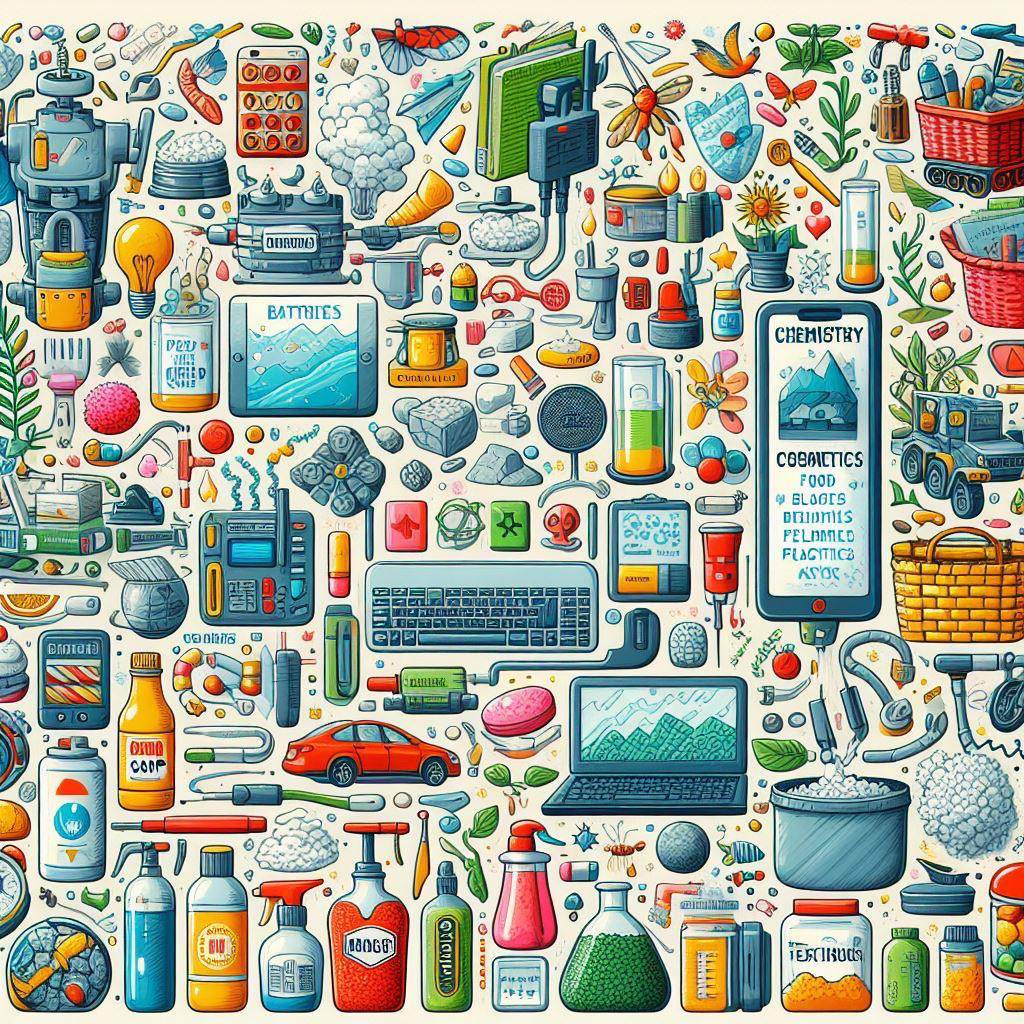
Chemistry is the science of matter and its interactions with other matter and energy. Chemistry is everywhere in our daily lives, from the food we eat, the air we breathe, the water we drink, the clothes we wear, the medicines we take, to the products we use. In this article, I will explore some examples of how chemistry affects our everyday life.
Food and Cooking

Chemistry is involved in every aspect of food and cooking, from the growth of plants and animals, the processing and preservation of food, the digestion and metabolism of food, to the sensory perception and enjoyment of food. For example:

Photosynthesis is the chemical process by which plants use light energy to convert carbon dioxide and water into glucose and oxygen. This is the basis of the food chain for most living organisms.
Fermentation is the chemical process by which microorganisms such as yeast and bacteria break down sugars into alcohol and carbon dioxide. This is used to make bread, cheese, yogurt, wine, beer, and other fermented foods.

Enzymes are biological catalysts that speed up chemical reactions in living cells. They are involved in the digestion and metabolism of food, as well as the ripening and spoilage of food. For example, lactase is an enzyme that breaks down lactose, the sugar in milk, into glucose and galactose. Some people lack this enzyme and are lactose intolerant, meaning they cannot digest milk properly.
Taste and smell are the senses that allow us to perceive the flavor of food. They are based on the interaction of chemical molecules with receptors on our tongue and nose. For example, salt is a compound of sodium and chlorine that stimulates the taste buds for saltiness. Vanilla is a compound of carbon, hydrogen, and oxygen that binds to the receptors for sweetness and aroma.
Air and Water
Chemistry is also involved in the composition and quality of the air we breathe and the water we drink, as well as the environmental issues related to them. For example:
Air is a mixture of gases, mainly nitrogen (78%), oxygen (21%), and argon (0.9%), with traces of carbon dioxide, water vapor, and other gases. Oxygen is essential for the respiration of animals, while carbon dioxide is essential for the photosynthesis of plants. The balance of these gases is maintained by the natural cycles of life on Earth.
Water is a compound of hydrogen and oxygen that exists in three states: solid (ice), liquid (water), and gas (steam). Water is the most abundant and important substance on Earth, as it covers 71% of the surface, makes up 60% of the human body, and participates in many chemical reactions. Water is also a universal solvent, meaning it can dissolve many other substances, such as salts, sugars, acids, bases, and metals.
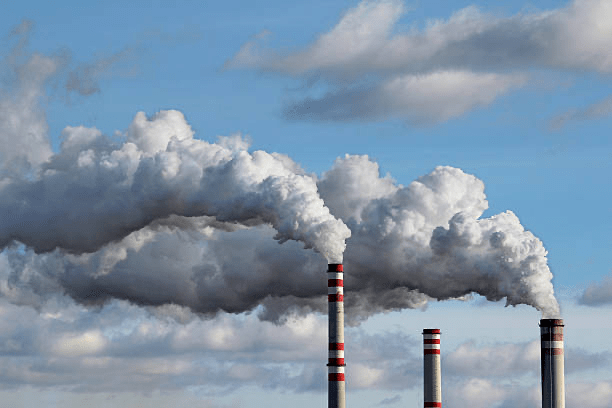
Air pollution is the contamination of air by harmful substances, such as smoke, dust, smog, ozone, carbon monoxide, sulfur dioxide, nitrogen oxides, and lead. These substances can come from natural sources, such as volcanoes, wildfires, and dust storms, or from human activities, such as burning fossil fuels, industrial processes, and vehicle emissions. Air pollution can cause respiratory problems, asthma, allergies, cancer, and acid rain.

Water pollution is the contamination of water by harmful substances, such as sewage, fertilizers, pesticides, heavy metals, oil spills, plastics, and microorganisms. These substances can come from natural sources, such as animal waste, soil erosion, and volcanic eruptions, or from human activities, such as agriculture, mining, manufacturing, and disposal. Water pollution can cause diseases, poisoning, eutrophication, and marine debris.
Clothes and Medicines
Chemistry is also involved in the production and function of the clothes we wear and the medicines we take, as well as the innovation and development of new materials and drugs. For example:
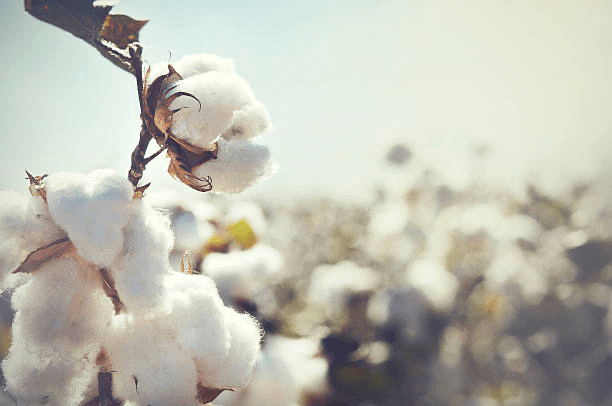
Cotton is a natural fiber that comes from the seed pods of the cotton plant. Cotton is composed of cellulose, a polymer of glucose, that forms long and thin fibers that can be spun into yarn and woven into fabric. Cotton is soft, breathable, absorbent, and durable, making it suitable for clothing, bedding, and towels.
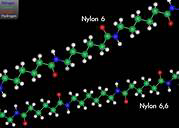
Nylon is a synthetic fiber that was invented in 1935 by Wallace Carothers, a chemist at DuPont. Nylon is made by combining hexamethylene diamine and adipic acid, two monomers that form a polymer of nylon. Nylon is strong, elastic, resistant to abrasion and heat, and easy to wash and dry, making it suitable for clothing, carpets, and parachutes.
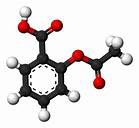
Aspirin is a common medicine that was discovered in 1897 by Felix Hoffmann, a chemist at Bayer. Aspirin is made by acetylating salicylic acid, a compound that is found in the bark of the willow tree. Aspirin is an anti-inflammatory, analgesic, and antipyretic drug, meaning it can reduce inflammation, pain, and fever, making it useful for treating headaches, arthritis, and colds.
Penicillin is a life-saving medicine that was discovered in 1928 by Alexander Fleming, a biologist at St. Mary’s Hospital. Penicillin is a natural antibiotic that is produced by a mold called Penicillium. Penicillin can kill or inhibit the growth of many types of bacteria, such as Staphylococcus, Streptococcus, and Gonococcus, making it effective for treating infections, such as pneumonia, meningitis, and syphilis.
Conclusion
Chemistry is a fascinating and diverse science that has a profound impact on our everyday life. Chemistry helps us understand the nature and behavior of matter and energy, as well as the interactions and transformations that occur among them. Chemistry also helps us create and improve the products and processes that make our life easier, healthier, and more enjoyable. Chemistry is truly the central science that connects all other sciences and disciplines.


 LK INNOVATE
Leave a comment