

By Dr Lokman Khan, Bradford
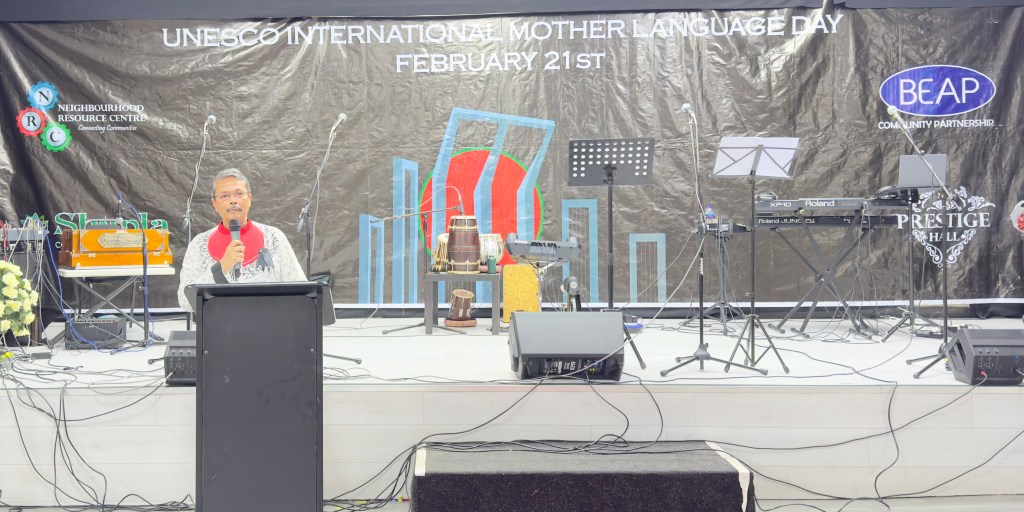
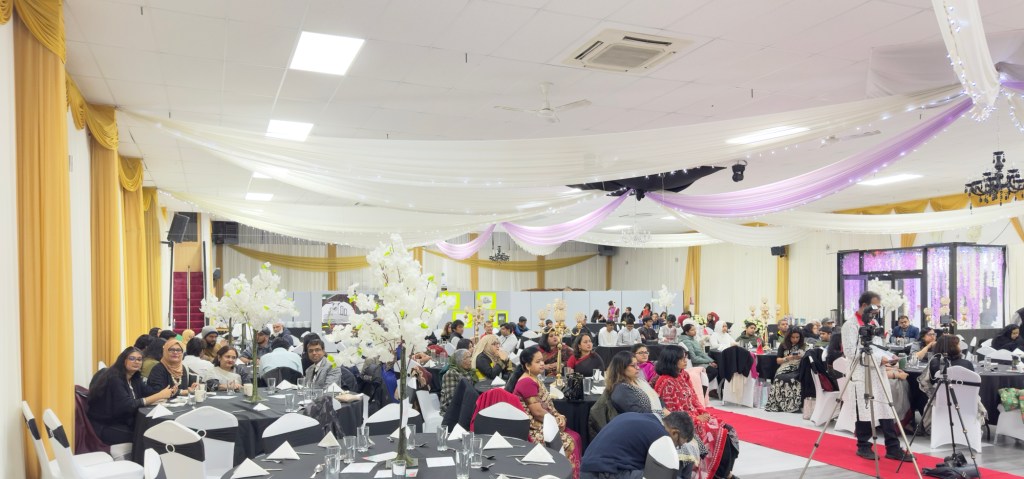
On 2 March 2024, I had the pleasure of attending a wonderful event organized by the cultural festival group of BEAP Community Partnership in Bradford. BEAP stands for Bangladeshi Education Achievement Project, which is a community anchor organisation with multifarious activities. The event was a celebration of UNESCO International Mother Language Day, which is observed every year on 21 February to promote linguistic and cultural diversity and multilingualism.
The event was inaugurated by Dr Shaukat Ahmed MBE, a renowned cultural activist and a recipient of the Member of the Order of the British Empire award. He spoke about the significance of mother tongue education and the importance of preserving and promoting linguistic plurality, especially with regard to languages that have only a few remaining speakers. The Language Movement in Bangladesh led to the recognition of Bengali as one of the official languages of Pakistan in 1956.
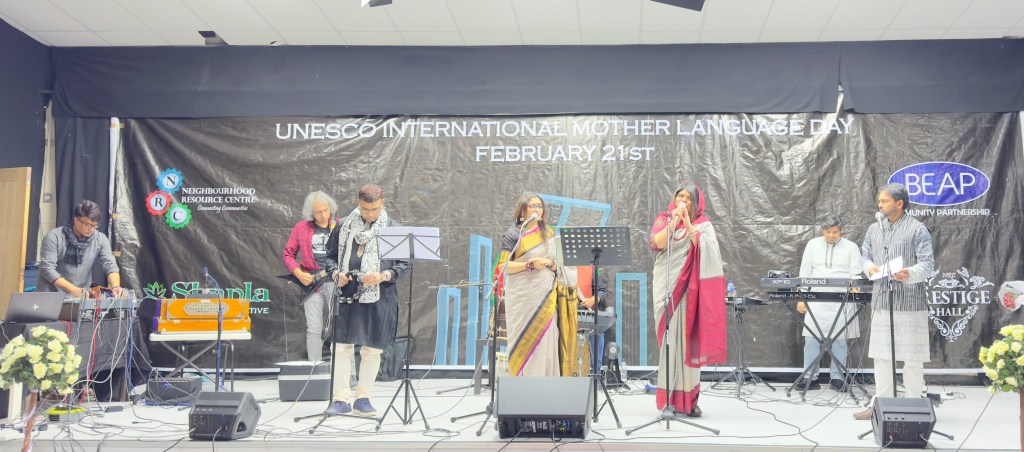
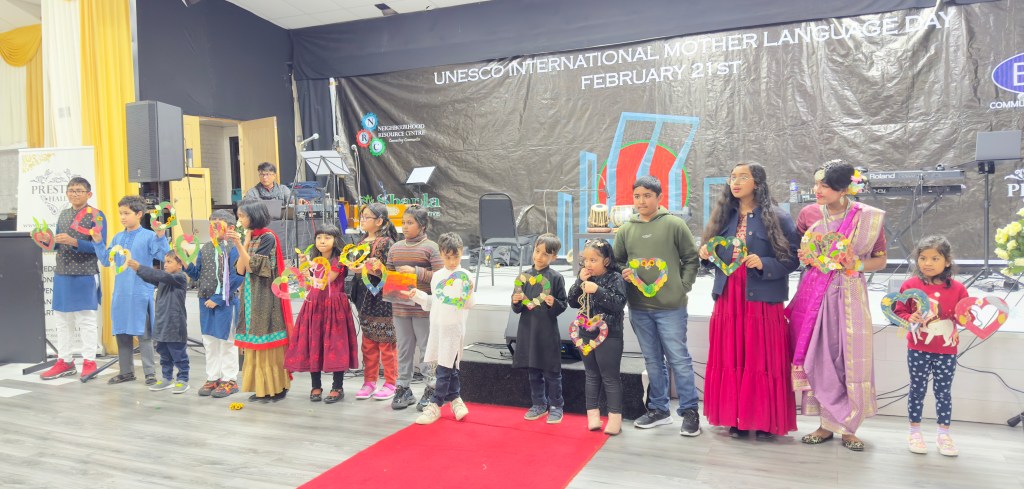
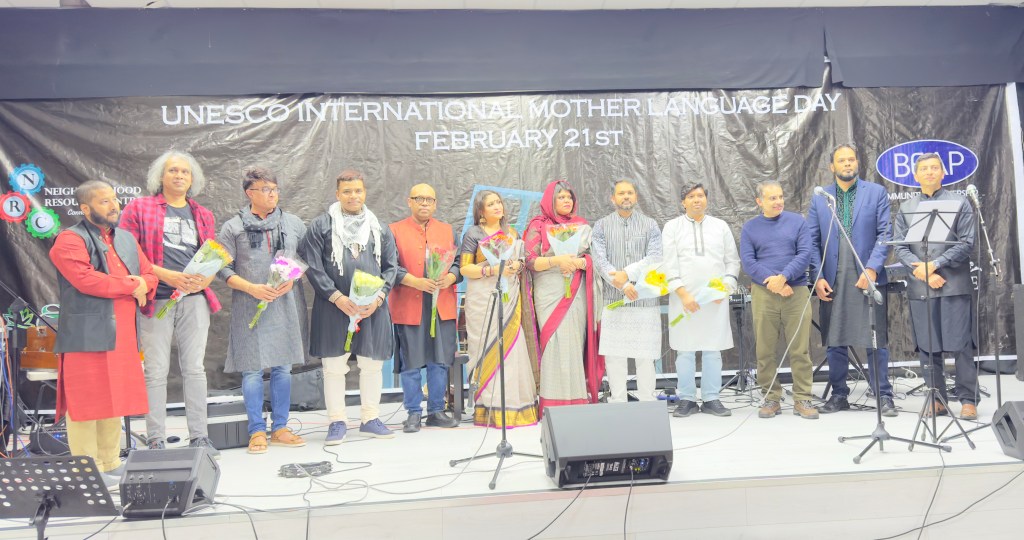
The event featured a variety of performances, including music, dance and children’s arts competitions. I was amazed by the talent and creativity of the performers, who showcased the rich and diverse culture and heritage of Bangladesh. I especially enjoyed the songs and dances that reflected the folk traditions and regional variations of the country. The children’s arts competitions were also very impressive, as they displayed the artistic skills and expressions of the young generation. The event also served delicious Bangladeshi cuisine, which was a treat for the taste buds. I savoured the flavours and aromas of the dishes, such as biryani, curry, dal, roti, and sweets.
The event was a great opportunity to learn more about the history and culture of Bangladesh, as well as the challenges and opportunities of multilingual education. I was inspired by the stories and achievements of the people who have contributed to the preservation and promotion of their mother tongue and culture. I also appreciated the efforts of BEAP Community Partnership, which has been working to support the education and empowerment of the Bangladeshi community in Bradford. I would like to thank them for organizing such a wonderful event and for inviting me to be a part of it.
The members of BEAP are Cultural Activists Dr. Shaukat Ahmed MBE, Syeda Shanaaz Ahmed, Ali Abed, Nazmun Khan and Executive Director, BEAP, Shahidur Rahman, Programme & Development Manager, BEAP, Lukman Mia, Centre Co-ordinator, BEAP, Abdur Rahim Mollah (Bappi).
Brief history
UNESCO International Mother Language Day is a worldwide annual observance held on 21 February to promote awareness of linguistic and cultural diversity and to promote multilingualism. It was first announced by UNESCO on 17 November 1999 and formally recognized by the United Nations General Assembly in 2002.
The idea to celebrate International Mother Language Day was the initiative of Bangladesh, in tribute to the Language Movement of 1952. On that day, students and activists in Dhaka protested against the imposition of Urdu as the sole national language of Pakistan, and demanded the recognition of Bengali as one of the official languages. The police opened fire on the demonstrators, killing several of them. The event is regarded as a pivotal moment in the history of Bangladesh, and a symbol of the struggle for linguistic and cultural rights.
Since 2000, International Mother Language Day has been observed around the world, with various activities and events that highlight the importance of linguistic diversity and multilingual education. UNESCO believes that languages are essential for sustainable development, social inclusion, and peace. According to UNESCO, there are about 7,000 languages in the world, but 40% of them are in danger of disappearing. Moreover, 40% of the world’s population does not have access to education in their mother tongue.
The theme of International Mother Language Day 2024 is “Multilingual education is a pillar of intergenerational learning”. The event aims to raise awareness of the benefits of mother tongue education for learning, literacy, and the acquisition of additional languages. It also seeks to empower communities and individuals to preserve and promote their linguistic and cultural heritage.

 LK INNOVATE
Leave a comment