
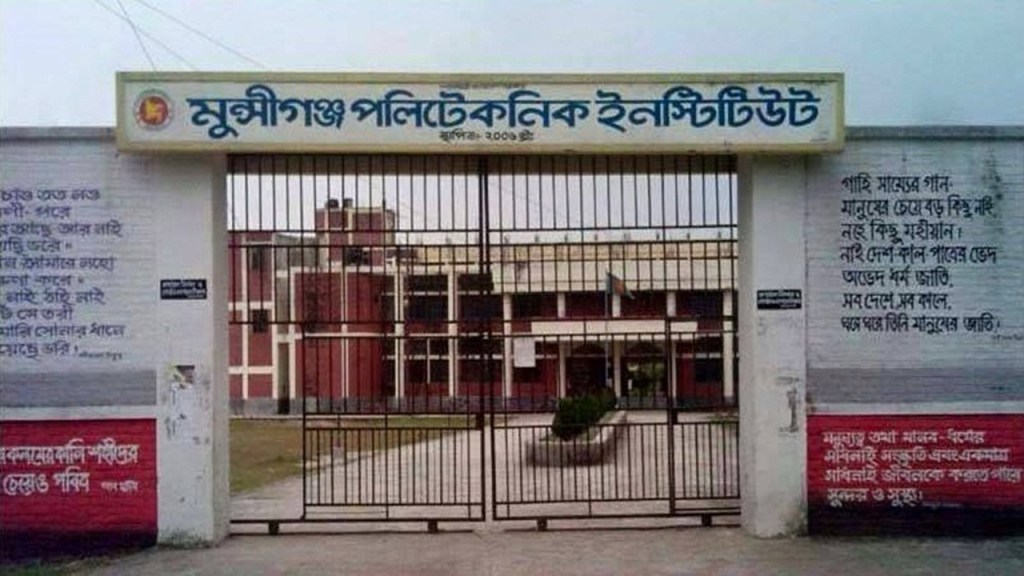
By Dr Lokman Khan, Bradford
- Introduction
- Overview of the Secondary Education System in Bangladesh
- Critical Analysis of Recent Changes
- The Influence of Culture and Socioeconomics
- Recommendations
- Conclusion
Introduction
Education forms the bedrock of any country’s development, and Bangladesh has been striving to enhance its educational infrastructure, particularly in the secondary sector. In recent years, the Bangladeshi government has introduced major reforms with the goal of improving secondary education outcomes. This report provides a detailed overview of these changes, critiques their efficacy, and evaluates their impact on Bangladesh’s cultural and socioeconomic landscape.
Overview of the Secondary Education System in Bangladesh
Bangladesh’s secondary education system operates on a 12-year cycle:
- Primary Education (Grades 1–5): Compulsory education focusing on basic literacy, numeracy, and fundamental concepts.
- Junior Secondary Education (Grades 6–8): Builds on the primary foundation and introduces a broader range of subjects.
- Secondary Education (Grades 9–10): Students have more choice in subjects and culminate this phase with the Secondary School Certificate (SSC) examination.
- Higher Secondary Education (Grades 11–12): Students specialize in selected streams and take the Higher Secondary Certificate (HSC) examination for university entry.
Recent Reforms in Secondary Education
The Bangladeshi government has implemented several comprehensive changes in the secondary education sector recently:
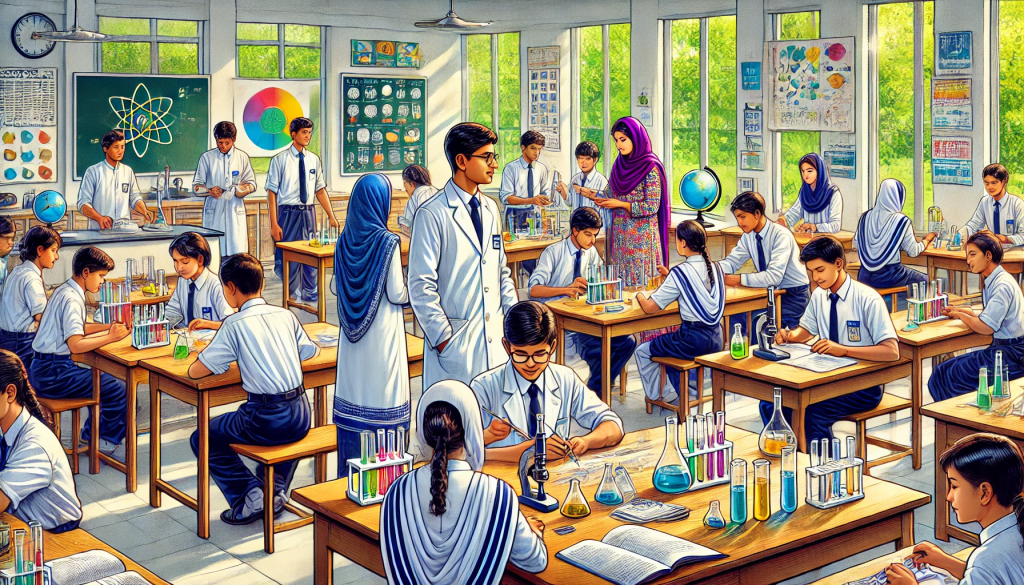
- Curriculum Overhaul: In 2023, a revamped national curriculum was introduced with an increased emphasis on skills development, critical thinking, and practical knowledge. This aims to better align student learning with the needs of the 21st-century job market.
- New Assessment System: The government has phased out rote learning and memorization in favor of continuous assessment methodologies, including project work, quizzes, and presentations.
- Teacher Training: Major investments have been made in teacher training programs to equip educators with the knowledge and skills required to implement the new curriculum and assessment practices effectively.
- Infrastructure Development: The government’s commitment can be seen in the construction of new schools, the upgrade of facilities in existing institutions, and the provision of essential resources like textbooks and technology.
Critical Analysis of Recent Changes
Positives
- Skills-based Focus: The updated curriculum’s emphasis on problem-solving and practical applications is a welcome step in preparing students for the workforce or higher education.
- Continuous Assessment: The shift towards varied assessment practices reduces the pressure of single, high-stakes exams and promotes a deeper understanding of subjects.
- Potential for Equity: The potential exists in these reforms to address educational inequalities, particularly for marginalized groups in Bangladesh, if implemented inclusively.
Negatives
- Implementation Challenges: The success of these reforms hinges on effective implementation. Large-scale changes in systems can be complex, requiring consistent support, monitoring, and a potential need for adjustments.
- Teacher Readiness: Concerns exist regarding the adequate preparation of teachers to embrace these changes and provide the necessary level of support to students, especially in rural areas.
- Resource Disparities: The benefits of the reforms might be unevenly distributed due to resource disparities between urban and rural schools, as well as private and public institutions.
The Influence of Culture and Socioeconomics
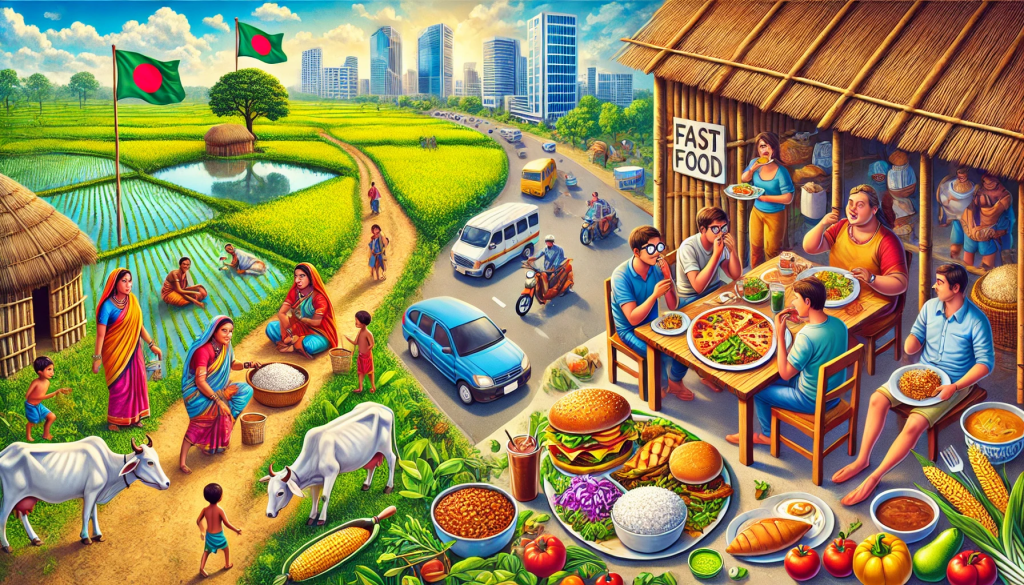
- Traditional Expectations: Bangladesh’s education system has historically been exam-centric. Shifting focus toward skills development and alternative assessment methods might need persistent and clear communication to address the deeply ingrained emphasis on test scores.
- Poverty and Gender Inequalities: Poverty remains a barrier in accessing quality secondary education, particularly for girls. The reforms must address gender gaps to ensure equal opportunities.
- Rural-Urban Divide: Rural schools often lack adequate infrastructure, resources, and trained teachers, widening the education inequities.
Recommendations
- Sustained Focus on Implementation: Focus on sustained, collaborative implementation strategies engaging teachers, schools, and communities.
- Targeted Capacity Building: Provide comprehensive teacher training focusing specifically on adapting to the new curriculum and assessment models.
- Address Resource Inequality: Invest heavily in upgrading less-equipped schools, particularly in rural areas.
- Equity and Inclusion: Target support programs and scholarships for marginalized students to bridge socioeconomic gaps and promote wider access.
Conclusion
Bangladesh’s recent secondary education reforms demonstrate the commitment to modernising its education system with an important positive impact on students.This focus on revamping secondary education is commendable. While the reforms are promising, they must be matched with careful implementation, resource allocation, and attention to the nation’s socioeconomic context. The success of these initiatives depends on well-coordinated implementation strategies as well as addressing the challenges unique to Bangladesh. Careful monitoring and ongoing evaluation will inform necessary adjustments to ensure all Bangladeshi students have access to quality education and for empowering Bangladesh’s youth.
 LK INNOVATE
Leave a comment